Durian Stall Signage: Banners and Flags That Stop Cars榴莲摊位招牌:能让车子停下来的横幅与旗帜
Every durian season, we print for the same kind of client: a roadside stall that earns most of its year's income in six to eight weeks and only has one chance to catch a driver's eye before the car passes. A good durian stall banner is the single highest-leverage thing you buy this season — more than the tent, more than the folding tables, more than the chalk board you were planning to reuse from last year. Here's how we'd set up signage if it were our stall.
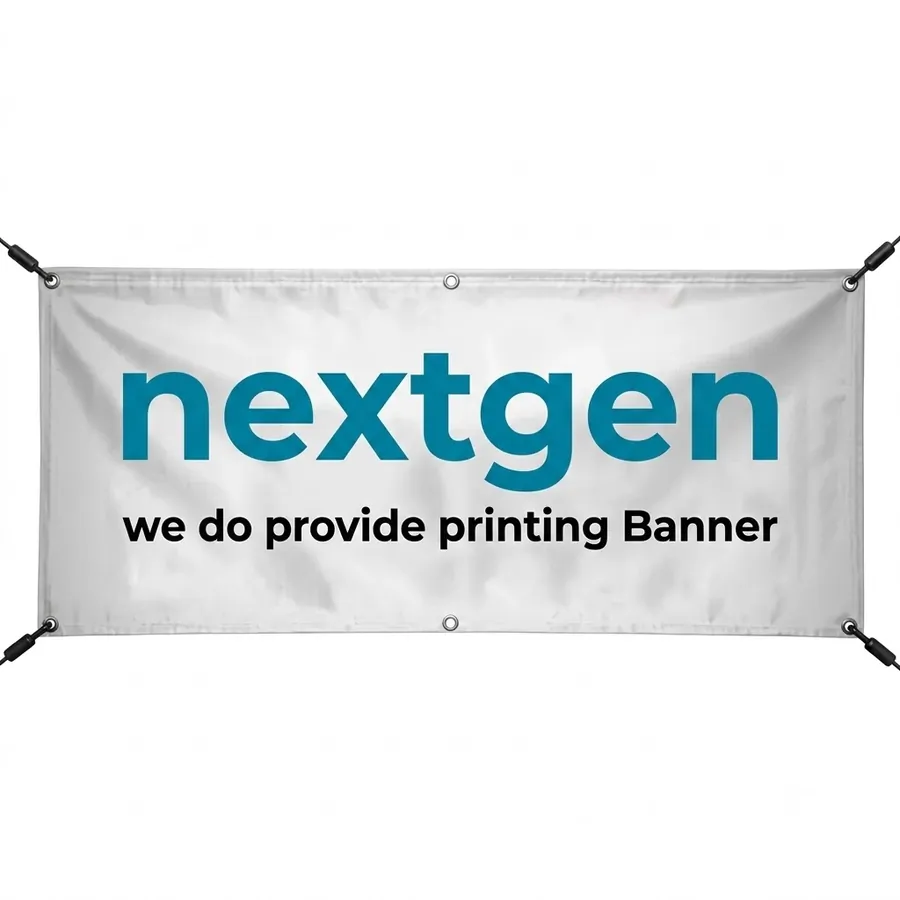
The banner is the only thing that matters at speed
A driver doing 50–60km/h sees your stall for about two to three seconds before they've passed the gap where they could turn in. In that window they need to read one word, not a paragraph. That word is DURIAN, in the biggest letters your banner width allows, in a colour that isn't fighting the greenery behind it — dark green text reads badly against trees; black, white or deep red on a light ground reads from much further away. Resist the urge to add your phone number, a list of varieties, delivery info and a logo to the same banner. One banner, one message. If you want to list varieties and prices, that's a second, smaller sign — never the same panel a driver is trying to read at speed.
Wind flags and bunting for the approach road
The banner tells drivers what you sell once they've already seen you — but by then some of them have already passed the last safe spot to slow down. This is what wind flags are for. Planted 20–40 metres before the stall itself, a teardrop or feather flag catches the eye at a different height and angle than a flat banner, giving drivers an extra second or two of warning that something is coming up. A row of two or three spaced down the verge reads as "something is happening here" well before anyone can make out a single word. Bunting strung along your stall frontage or fence does a similar job up close — it signals activity and scale even when the stall itself is just a folding table and a few crates. This kind of roadside stall signage is cheap relative to what a single missed sale costs you over a season.
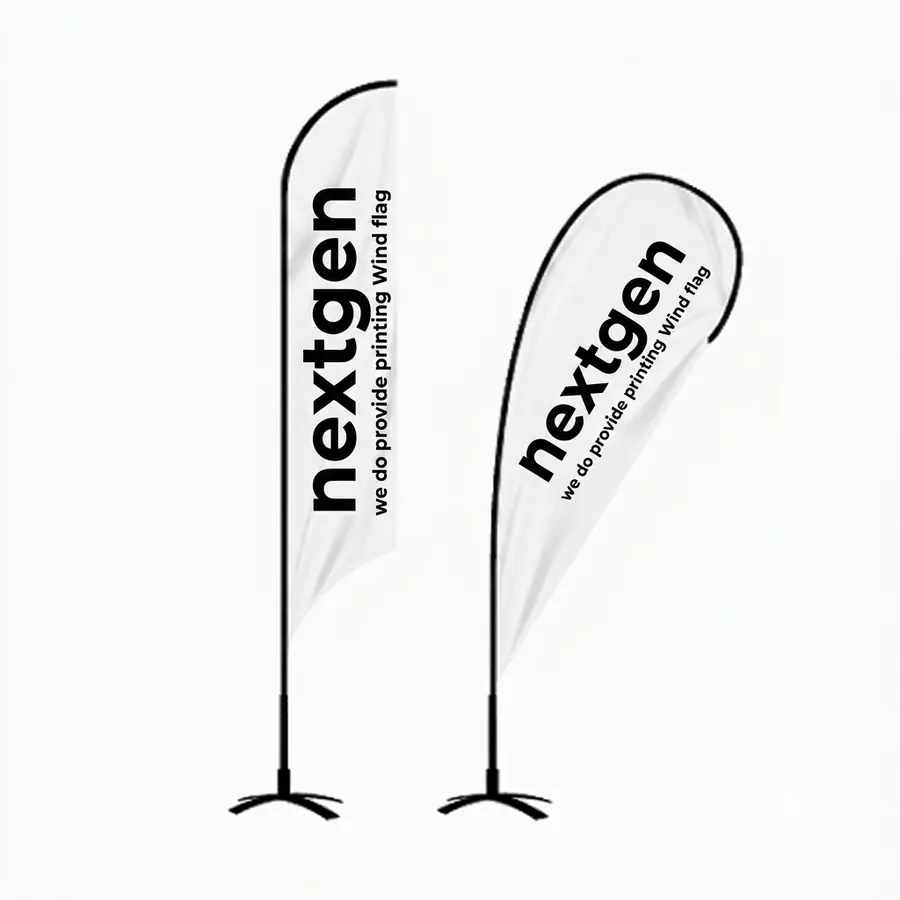
We've written more on sizing and basing these for different ground conditions in our wind flag and teardrop flag guide — worth a look if you haven't bought flags before, since the wrong base type is the most common reason they topple in gusty weather. For vertical signage along a fence line or lamp post, bunting finishes with eyelets or pole pockets so it mounts in minutes without extra hardware.
A durian price board that survives rain and humidity
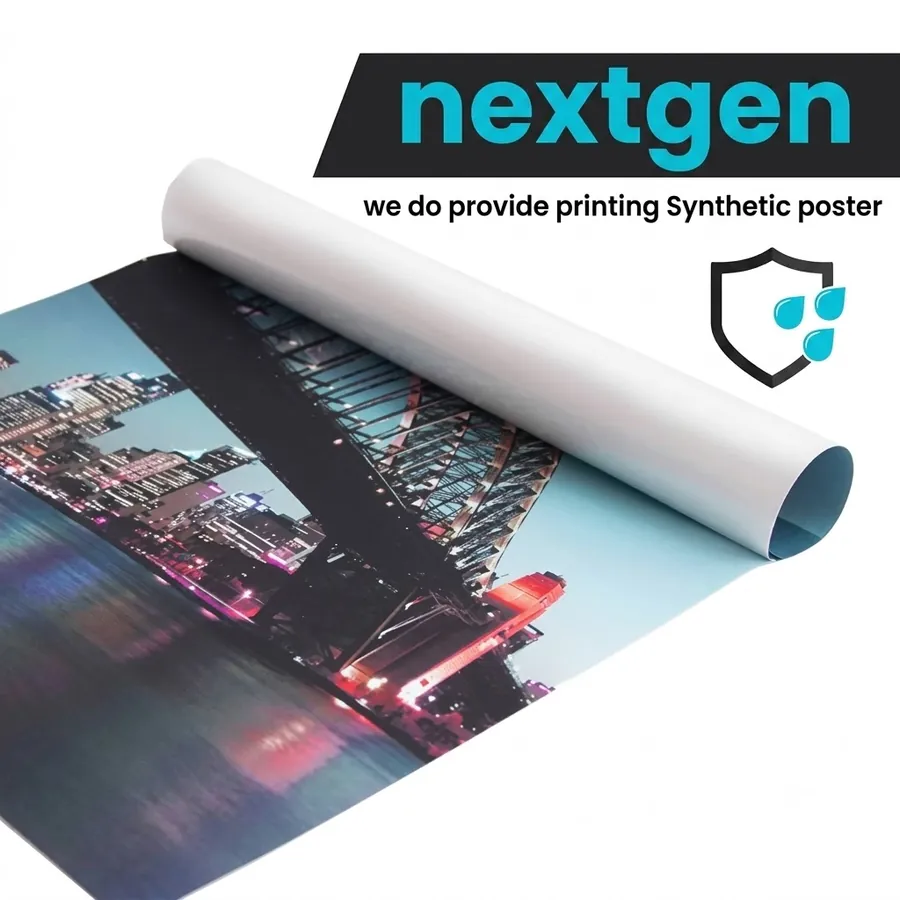
Chalk boards and laminated paper don't last a season outdoors — chalk smears in drizzle, lamination peels at the corners within a week of daily sun. A synthetic paper durian price board is the fix: it's effectively waterproof, doesn't tear when a gust catches it, and still takes a thick marker or printed vinyl lettering cleanly if you need to update prices as the season moves and grades shift. Because Musang King, D24, Black Thorn and other grades move in price independently of each other through the season, we'd print the board frame and variety names once, then leave blank fields for prices you update by hand week to week — cheaper than reprinting a full board every time Musang King moves RM5 a kilo.
What actually builds trust at the stall
Drivers who stop for durian are often making a one-time decision with no way to compare prices beforehand — clear signage is what makes them feel they're not being overcharged. A durian stall signboard that states these things plainly does more for conversion than any amount of friendliness at the table:
- Variety name clearly spelled — Musang King, D24, D13, Black Thorn, Kampung — not just "Durian A/B/C", which reads as evasive to a first-time buyer.
- Price per kilogram, in large enough type to read from the car window, not buried on a handwritten scrap.
- Whether whole fruit or pre-cracked, and roughly what weight range a typical fruit runs — buyers hate surprises at the scale.
- Payment methods accepted — cash, DuitNow QR, bank transfer — printed or stuck on clearly so there's no awkward negotiation after the fruit is already cut.
- Pre-order or delivery info only if you actually offer it, with a phone number large enough to photograph from a moving car.
Wind, sun and rain: making signage last the whole season
Durian season runs six to eight weeks of Malaysian weather, which means your signage sees full sun, sudden downpours and whatever wind comes off passing lorries on a trunk road. A few things make the difference between signage that lasts and signage you're replacing in week three: eyelets spaced no more than 40–50cm apart on a banner so wind load doesn't tear the fabric between fixing points; tying down with proper rope or cable ties rather than string, which snaps in gusts; and choosing tarpaulin or synthetic stock rather than standard paper or vinyl stickers for anything facing direct weather. If your stall sits somewhere with heavy lorry traffic, expect more flapping stress on banners closest to the road — a smaller, well-secured flag often outlasts an oversized banner that's constantly working loose at the corners.
Check your local council's rules before you print
Roadside banners and bunting on public land are usually subject to your local majlis perbandaran or majlis daerah's rules on signage permits, setback distance from the road edge, and what you're allowed to tie signage to — most councils don't allow attaching anything to road signs, traffic lights or trees, and some require a temporary business or signage permit for a seasonal stall. Rules vary by council and change from season to season, so it's worth a quick call or visit to your local council office before you commit to sizes and placement, rather than finding out after printing that your preferred spot isn't allowed.
If you want signage sized and finished before the season gets busy, talk to us — we print banners, wind flags, bunting and weatherproof price boards for stalls across Klang Valley every durian season, and can usually turn a straightforward set around in a few days.
每年榴莲季,我们都会遇到同一类客户:一个路边摊位,一年大部分的收入都靠这六到八周赚回来,而司机经过时,往往只有一次机会能被看见。一张够醒目的榴莲摊位横幅,是这个季节你能买到的、投入回报比最高的东西——比帆布帐篷、折叠桌,甚至比你想沿用去年那块粉笔板都更值得花钱。以下是如果这是我们自己的摊位,我们会怎么布置招牌。
车速下,唯一重要的是那块横幅
司机以时速50到60公里行驶时,看到你摊位的时间大概只有两到三秒,错过这个窗口,就已经开过了能转进来的缺口。这短短几秒里,他们只能读进一个词,不是一整段文字。这个词就是榴莲两个大字,用横幅宽度能容纳的最大字号印出来,颜色要跟背后的绿树分得开——深绿色文字在树丛前几乎读不出来;浅色背景配黑、白或深红,才能在更远处被看清楚。别想着把电话号码、品种清单、配送信息和Logo都塞进同一张横幅——一张横幅,一个信息。如果想列品种和价格,那应该是另一张较小的招牌,绝不能跟司机正在高速中努力读的那块主招牌挤在一起。
进场路段的风旗与串旗
横幅是在司机已经看到你之后,告诉他们你卖什么——但到那时候,有些人早已经过了最后能安全减速的那个点。这正是风旗的用处。在摊位前方20到40米处插上几支水滴旗或羽毛旗,它们的高度与角度跟平放的横幅不同,能让司机多一两秒的提前反应时间,知道前面有东西。沿路边间隔摆放两三支,远在任何人能读清字之前,就已经传达出「这里有事情在发生」的信号。摊位正面或围栏上挂的串旗也有类似效果——哪怕摊位只是一张折叠桌加几个箩筐,串旗也能让它看起来有活动、有规模。这类路边摊位招牌的成本,相对于一季里错失的单笔生意来说,其实很低。
关于不同地面条件下风旗的尺寸与底座选择,我们在风旗与水滴旗指南里写得更细——如果你没买过风旗,建议先看看,因为底座选错是刮风时最常见的倒旗原因。如果是沿围栏或灯柱的垂直招牌,串旗做好扣眼或穿杆设计,几分钟就能安装好,不需要额外五金件。
一块能撑过雨季与潮湿的榴莲价目板
粉笔板和过胶纸张撑不过一整季的户外环境——粉笔遇到毛毛雨就会糊掉,过胶纸在每天日晒下一周内角边就会翘起。合成纸榴莲价目板能解决这个问题:基本防水,被风吹到也不容易破,而且如果季中需要更新价格或品种,用粗头马克笔或印刷贴字都能写得清楚。因为猫山王、D24、黑刺等品种的价格在整季中会各自独立波动,我们建议价目板的框架和品种名称一次印好,价格栏留白、每周手写更新——比每次猫山王涨跌RM5就重印整块板便宜得多。
真正能建立信任的做法
停下来买榴莲的司机,往往是在没有办法事先比价的情况下做一次性决定——清楚的招牌,比任何热情招待都更能让他们觉得自己没有被坑。一块把以下内容写清楚的榴莲摊位招牌,对成交的帮助比任何话术都大:
- 品种名称写清楚——猫山王、D24、D13、黑刺、Kampung,而不是只写「甲/乙/丙」,这对第一次光顾的买家来说显得避重就轻。
- 每公斤价格用够大的字体印出来,从车窗就能看清楚,不要只写在一张手写小纸条上。
- 整粒还是已开壳,以及一颗果大概的重量范围——买家最怕上秤时才发现跟预期不一样。
- 可接受的付款方式——现金、DuitNow QR、银行转账——清楚印出或贴出来,免得果已经切开才尴尬协商。
- 预订或配送信息,只有真的提供这项服务才写,电话号码字体要大到能在行驶中的车里拍下来。
风、日晒、雨水:让招牌撑过整季
榴莲季在马来西亚的天气下要持续六到八周,意味着你的招牌会经历烈日、突然的大雨,以及干道上经过的货车带来的阵风。几个细节决定了招牌是撑过整季,还是第三周就要换新:横幅的扣眼间距不超过40到50厘米,风力才不会把两个固定点之间的布面撕裂;用绳子或束带固定,而不是用容易在阵风中断掉的细绳;任何会直接受天气影响的招牌,选帆布或合成纸材质,而不是普通纸张或贴纸。如果摊位所在路段货车流量大,靠近路边的横幅承受的拍打压力会更大——通常一支固定牢靠的小风旗,比一张角边经常松脱的超大横幅更耐用。
印刷前,先确认当地议会的规定
公共道路上的横幅和串旗,通常受你所在地市议会或县议会关于招牌许可、离路边设置距离,以及招牌能绑在什么物件上的规定约束——大多数议会不允许把招牌绑在路牌、红绿灯或树上,有些还要求季节性摊位申请临时营业或招牌许可。各地议会的规定不同,也会随季节调整,建议在确定尺寸与摆放位置之前,先打电话或到当地议会办公室问清楚,而不是印好之后才发现心仪的位置不被允许。
如果想在旺季来临前把招牌尺寸与制作都安排好,联系我们——每个榴莲季,我们都为巴生谷一带的摊位制作横幅、风旗、串旗与防水价目板,一般的订单几天内就能完成。