TikTok Video Ideas for Small Businesses, No Studio Needed小生意的 TikTok 短视频创意:不用摄影棚也能拍
Most shop owners stall on TikTok for one reason: they think they need a camera, a ring light and someone who knows how to edit before they can post. They don't. The accounts we watch grow fastest for clients are run on a phone propped against a rice cooker, filmed between orders. What they do have is a short list of tiktok video ideas for business they repeat every week, each with a hook that works before the viewer's thumb moves. Here are ten of them, plus how to film a week's worth in one sitting.
Ten formats that work without a script
These are not creative — they're structural. Pick one, shoot it the same way every time, and the repetition is what makes your account recognisable.
- Behind-the-scenes prep. The 7am opening routine, the sauce being mixed, the stock being unpacked. Hook: "This is what happens before we open."
- Before/after. A messy counter cleaned, a plain cake decorated, a bare wall turned into a display. The cut from "before" to "after" is the whole video.
- Answering a real customer question on camera. Pull an actual WhatsApp question and answer it to the lens. Hook: "Someone asked us this yesterday."
- Price breakdown. "What RM20 gets you here" — show the items, say the number out loud. People save and share price content more than almost anything else.
- Staff or owner story. Why you started, what a normal shift looks like, an honest mistake you made early on. Faces build trust faster than products do.
- Myth-busting. Correct a wrong assumption about your product or industry. Hook: "People think X. Here's what's actually true."
- Restock or unboxing. New stock arriving, new flavour being tested, a supplier delivery. Low effort, high watch-through because people like seeing "new".
- Caught-live reaction. A customer's genuine first bite or first look, filmed with permission. Unscripted reactions outperform scripted testimonials almost every time.
- "Why we don't do X." A clear stance — why you don't use a certain ingredient, material or shortcut. Differentiation content travels well because it's quotable.
- Trend audio, your product. Use a trending sound but keep the visual entirely about your product. The audio buys reach; the product keeps relevance.
The first three seconds decide everything
TikTok doesn't reward good videos that start slowly. It rewards videos that survive the first three seconds, because that's the window where most viewers decide to keep watching or scroll past. A text overlay stating the hook in words — "RM20 menu breakdown", "we tried this so you don't have to" — doing the same job as the voice is not repetition, it's insurance against someone watching on mute. Open on the most visually interesting frame of the whole clip, not a slow walk-up or a logo intro. If the first second looks like every other video in the feed, it's gone before the hook even lands.
Batch a week of content in one afternoon
Daily filming is the plan that quietly dies after ten days. Batching survives because it only asks for one afternoon a week:
- Write a shot list of 8–10 clips the night before — pull straight from the ten formats above.
- Pick one time of day with good natural light (near a window, late morning is usually safest) and shoot everything back-to-back.
- Keep the same outfit, apron or branded shirt across the batch so viewers don't notice the jump cut between "Monday" and "Thursday" content.
- Film in short, separate clips rather than one long take — it's easier to cut a 12-second clip into a 7-second one than to find 7 good seconds inside a ramble.
- Caption and schedule the week's posts in one sitting, spaced a day or two apart, so posting never depends on remembering to film that day.
We build short-form video on a batching schedule like this for several clients in-house — it's the same operating model behind our best TikTok Live results, including a 16.07 ROAS for a home-appliance account, where creative volume feeding into lives was the actual engine. The point isn't that you need a production team; it's that the format scales whether a studio or a single phone is doing the filming. See our TikTok Live playbook for how this content feeds a live room once you're ready for one.
Small props that make a phone video look intentional
A phone-shot video doesn't need a studio, but it does fall apart on screen if nothing in frame looks considered. A few printed pieces most F&B and retail accounts already own do a lot of quiet work here:
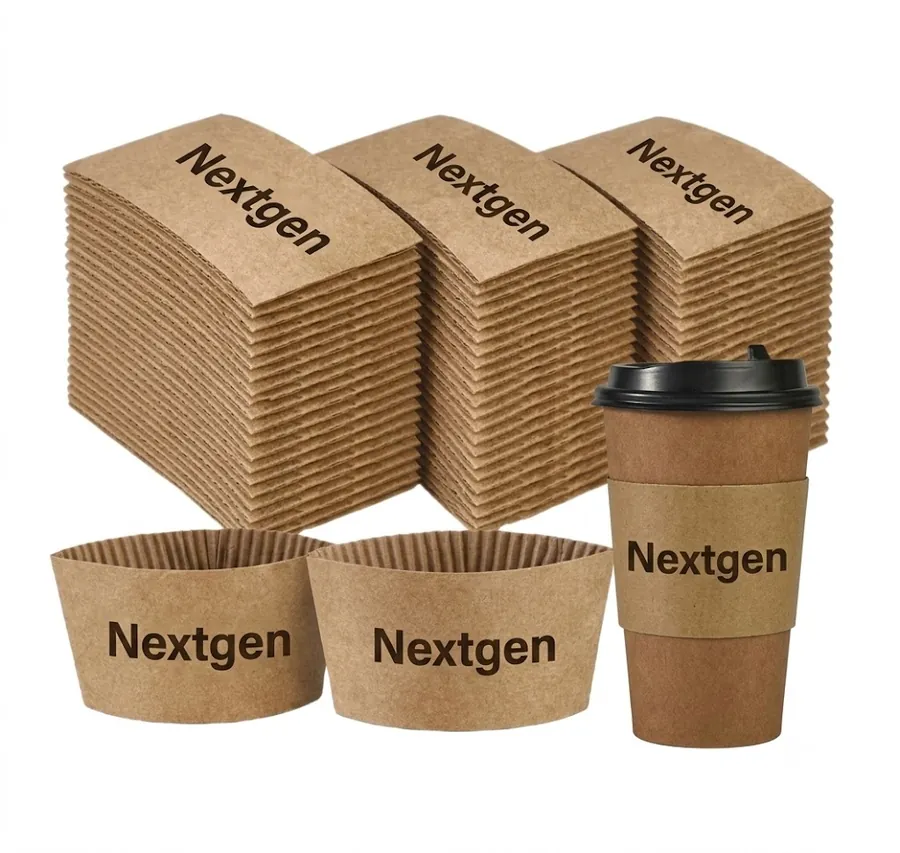
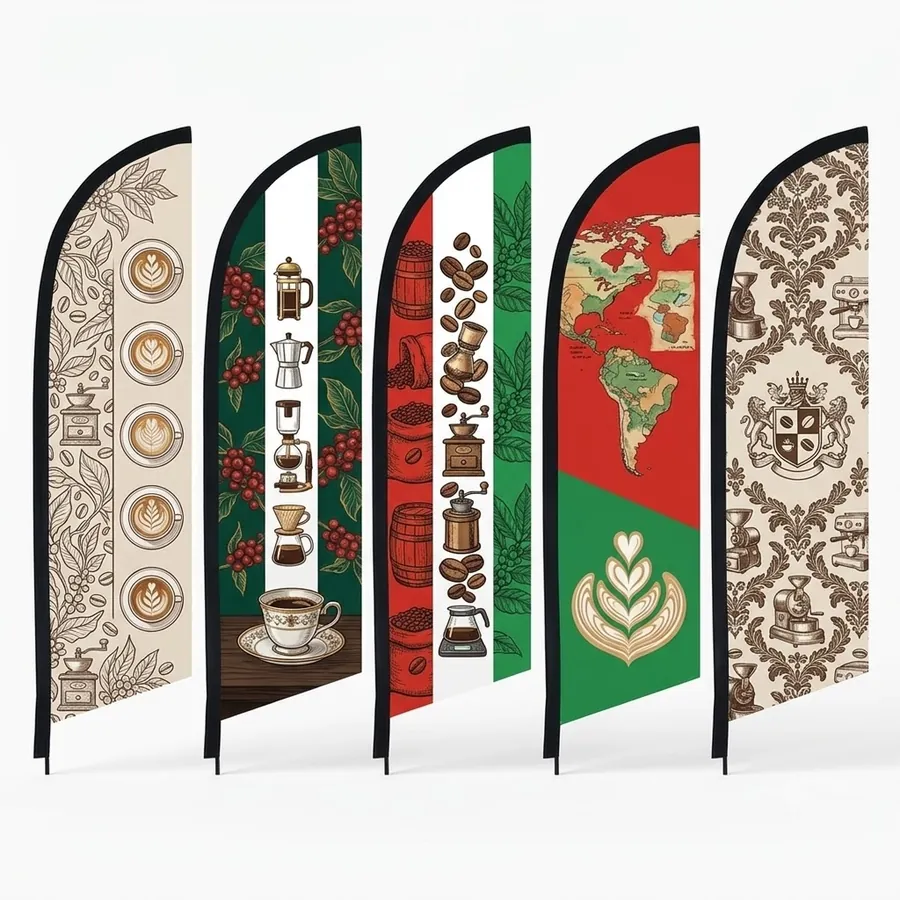
A branded cup sleeve turns a plain takeaway cup into something worth lingering on in a before/after or price-breakdown clip. A food flag named per item solves the "what flavour is that" question before a comment has to ask it, which matters because comments asking basic questions are a sign the video itself didn't explain enough.
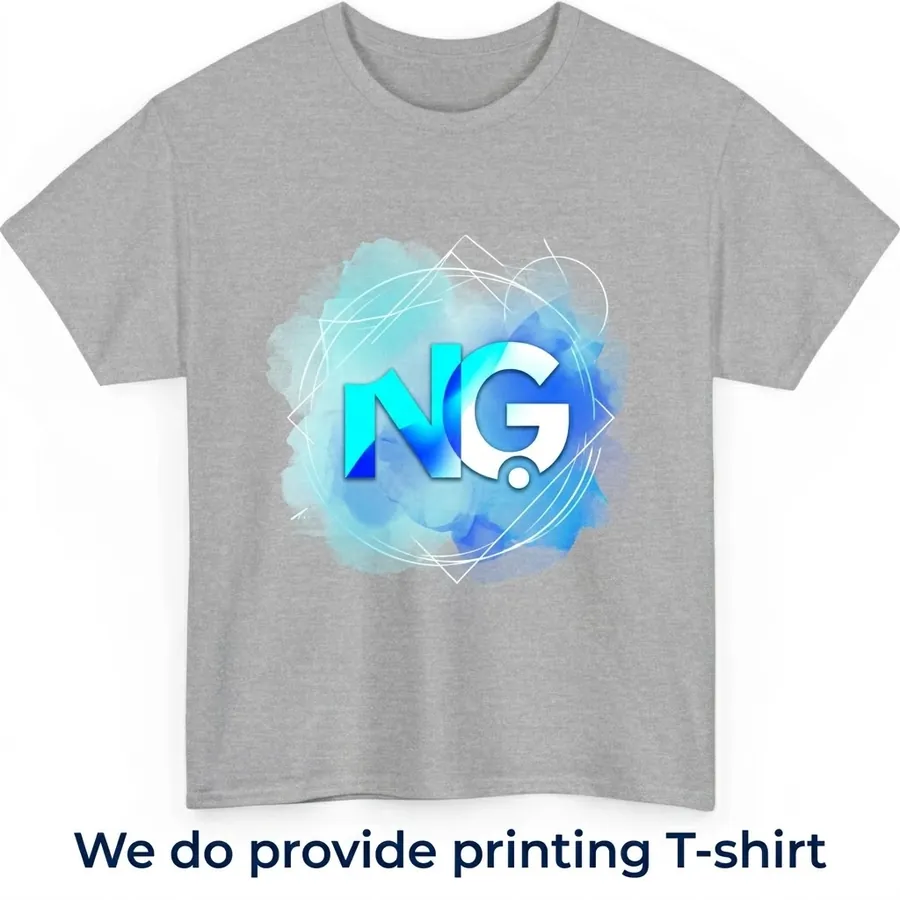
A tent card on the counter is a cheap way to repeat your TikTok handle to every customer sitting in frame, and for shops filming a staff-story or myth-busting format, a plain branded shirt from our t-shirt printing line reads as "team", not "random person talking at a phone."
Watch time and shares, not followers
Follower count is the number owners check first and the one that tells them the least. The two numbers that actually predict whether TikTok keeps showing your video to new people are average watch time (did people watch to the end, or did most drop at second two) and shares (did someone send this to a friend, which TikTok treats as a stronger signal than a like). A video with 400 views and a 70% completion rate is doing better work for your account than one with 4,000 views and a 9% completion rate, because the first tells the algorithm "keep testing this account" and the second tells it the opposite. Check these two numbers in your analytics tab before judging a format as a failure.
Starting the account properly
Before any of this, switch to a TikTok Business Account (Settings > Manage account > Switch to Business Account) — it unlocks analytics, a clickable bio link, and the ability to run ads later on the same videos that already performed organically. Put one clear link in the bio (your website or a WhatsApp link, not both competing for a click), and set your profile photo and name to match your shop signage so people who see you online recognise you offline, and the other way round. If you're also listing products, our TikTok Shop setup guide covers the part that comes after content: getting a shop live and linked to the account.
Where this leads
Ten formats, filmed in one afternoon a week, is enough to keep an account alive while you learn what your specific audience responds to — and it works with just a phone. Once a format is clearly working and you want to scale the volume or move into TikTok Live, talk to us; we produce short-form video in-house for several clients and can tell you honestly whether it's worth handing off or worth continuing to film yourself.
大多数店主在 TikTok 上卡住,原因往往就一个:他们以为发视频之前得先有摄影机、环形灯,还得有人懂剪辑。其实都不需要。我们看到客户账号长得最快的那些,往往就是手机靠在电饭煲旁边,趁着做单的间隙拍的。他们真正有的,是一份每周重复使用的TikTok 短视频创意清单,而且每一支都有一个在观众拇指划走之前就先抓住人的开头。下面是十个这样的形式,以及如何一次坐下来就拍完一整周的素材。
不需要脚本的十种形式
这些不是靠灵感,而是靠结构。选一种,每次都用同样的方式拍,重复本身就是让账号被记住的原因。
- 开店前的幕后准备。早上七点的开店流程、酱料调制、货品拆箱。开头:「这是我们开店前都在做的事。」
- 前后对比。杂乱的柜台被清理干净,素面的蛋糕被装饰完成,光墙变成展示墙。从「之前」切到「之后」,整支视频就讲完了。
- 在镜头前回答真实的顾客问题。把一条真的 WhatsApp 提问拿出来,对着镜头回答。开头:「昨天有人问我们这个。」
- 价格拆解。「这里 RM20 能买到什么」——把东西摆出来,把数字说出来。价格类内容的收藏与分享率几乎是最高的。
- 员工或老板的故事。为什么开始这个生意,平常一个班次是怎样的,早期犯过什么老实的错误。露脸比产品本身更快建立信任。
- 破解迷思。纠正一个关于你产品或行业的常见误解。开头:「大家都以为是 X,其实是……」
- 补货或开箱。新货到了、新口味在测试、供应商来送货。几乎不费力,但完播率往往很高,因为人都喜欢看「新东西」。
- 真实反应抓拍。顾客第一口的真实表情、第一次看到成品的反应(需取得同意后拍摄)。未经排练的反应几乎总是比排练过的证言表现更好。
- 「我们为什么不做 X」。一个清楚的立场——为什么不用某种原料、材质或捷径。差异化内容传播力强,因为容易被引用转述。
- 蹭热门音效,内容是自己的产品。用当下热门的音效,但画面完全围绕自己的产品。音效带来曝光,产品保住相关性。
前三秒决定一切
TikTok 不会奖励慢慢铺陈的好视频,它只奖励能撑过前三秒的视频,因为大多数人就是在这个时间窗口里决定继续看还是划走。用文字叠加把开头的重点写出来——「RM20 菜单拆解」「我们帮你先试过了」——这不是重复,是给静音观看的人上的保险。开场要用整支片子里画面最有吸引力的那一帧,不要是缓慢的走近镜头或是 Logo 开场。如果第一秒看起来和信息流里其他视频一样,开头还没说完人就划走了。
一个下午拍完一整周的内容
「每天拍」这个计划,通常撑不过十天就悄悄死掉。批量拍摄能活下来,因为它只要求一周一个下午:
- 前一晚写好 8–10 支短片的拍摄清单——直接从上面十种形式里挑。
- 选一个自然光线好的时段(靠窗、接近中午通常最稳),把所有片子连续拍完。
- 整批拍摄保持同一套服装、围裙或品牌 T 恤,观众就不会察觉「星期一」和「星期四」的内容其实是跳剪的。
- 拍成一支一支的短片,而不是一条长长的通拍——把 12 秒剪成 7 秒,比在一段碎碎念里找出好的 7 秒容易得多。
- 一次坐下来把一整周的文案写好并排定发布时间,间隔一到两天,这样发不发视频就不再取决于那天有没有记得拍。
我们替好几个客户按这种批量拍摄的节奏,在公司内部制作短视频——这也是我们TikTok 直播最好成绩背后的同一套运营方式,包括一个家电客户账号拿到的 16.07 ROAS,素材量喂进直播间才是真正的引擎。重点不是你需要一个制作团队,而是这个模式无论是摄影棚拍还是一支手机拍,都能跑得通。想了解这些内容如何在你准备好之后喂进直播间,可以看我们的TikTok 直播带货攻略。
让手机视频看起来「有心思」的小道具
手机拍的视频不需要摄影棚,但如果画面里什么都没经过考虑,看起来还是会散。几件餐饮和零售账号通常本来就有的印刷物,在这里悄悄起了不少作用:
一个品牌杯套,能把一杯普通的外带饮料变成前后对比或价格拆解片里值得停留细看的画面。按口味命名的食物小旗,能在留言区问「这是什么口味」之前就先解决问题——而这类基础问题出现在留言区,往往说明视频本身解释得不够。
柜台上的一张桌面立牌,是一种便宜的方式,把你的 TikTok 账号重复展示给每一位入镜的顾客;而对于拍员工故事或破解迷思类内容的店家,一件来自我们T 恤印刷系列的素色品牌 T 恤,会让镜头里的人看起来像「团队」,而不是「随便一个对着手机说话的人」。
看完播率和分享,别只看粉丝数
粉丝数是店主最先查看、却最说明不了问题的数字。真正能预测 TikTok 会不会继续把你的视频推给新观众的,是两个数字:平均观看时长(观众是看到了结尾,还是大多数人在第二秒就划走了)和分享数(有没有人把它转发给朋友——TikTok 把这个信号看得比点赞更重)。一支只有 400 次播放、完播率 70% 的视频,对账号的帮助往往比一支 4,000 次播放、完播率只有 9% 的视频更大,因为前者告诉算法「继续测试这个账号」,后者则正好相反。在判断一种形式是不是失败之前,先去数据后台看这两个数字。
先把账号设置好
在做这些之前,先把账号切换成 TikTok 企业账号(设置 > 管理账号 > 切换为企业账号)——它能解锁数据分析、可点击的主页链接,也让你之后能把已经跑出自然流量的视频直接拿去投广告。主页只放一个清楚的链接(你的官网或 WhatsApp 链接,别让两者互相抢点击),头像和账号名称也和店面招牌保持一致,这样线上认出你的人到了线下也能认出来,反过来也一样。如果你也在上架商品,我们的TikTok Shop 开店指南讲的正是内容之后的下一步:把小店开起来并和账号绑定。
接下来怎么走
十种形式,一周一个下午拍完,足以让账号先活下来,同时让你摸清自己的受众到底对什么有反应——而且只靠一支手机就能做到。等某个形式明显跑出来了,想扩大产量或是进一步做 TikTok 直播,联系我们——我们在公司内部为多个客户制作短视频,可以如实告诉你,这件事值得交给我们,还是你自己继续拍就够了。