Die-Cut and Custom Shapes: Hang Tags, Bookmarks and Cards异形模切印刷:吊牌、书签与卡片的形状选择
We get the same question most weeks, usually with a photo attached: "can you cut it to this shape?" With die cut printing in Malaysia, the honest answer is almost always yes — the real question is whether a custom outline earns its extra cost and lead time for what you're making, or whether a rounded corner gets you most of the effect for a fraction of the price. Here's how we think about that trade-off after cutting shapes for jewellery sellers, craft brands and event teams for years.
What "die-cut" actually means on your quote
A die-cut job uses a steel blade (or, for short runs, a laser-cut path) to cut the printed sheet into a shape instead of a straight rectangle. Three terms on the quote decide whether your artwork survives that cut cleanly, and all three come from the dieline — the vector outline that marks exactly where the blade travels:
Bleed extends your background colour or image past the dieline by at least 2–3mm. Skip it and a one-millimetre shift in the blade leaves a thin white sliver at the edge. Safe zone keeps logos, text and important details at least 2–3mm inside the dieline, because a blade can drift slightly between pulls on a long run — anything hugging the edge risks getting nicked. Dieline template is the file we hand you (or build from your sketch) with the cut path on its own layer, separate from the artwork layer, so our press operator and the cutting machine both read it correctly.
Four shapes we cut most often
Most custom-shape jobs we run fall into one of four categories, and each has its own quirks.
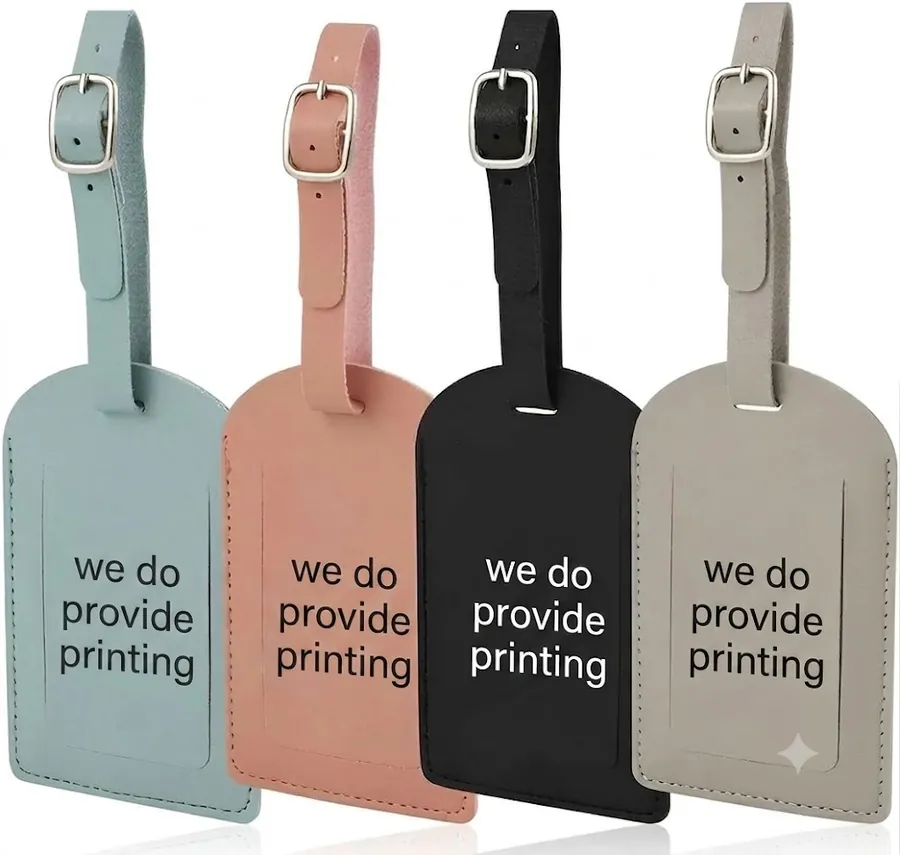
Hand tags (the small tags tied to garments, bags or gift items) are the most forgiving shape to customise — they're small, so a distinctive outline like a leaf, shield or brand-logo silhouette costs little extra per piece once the blade is made. The string or ribbon hole position needs to clear your artwork's safe zone, so send us where you plan to tie it through.
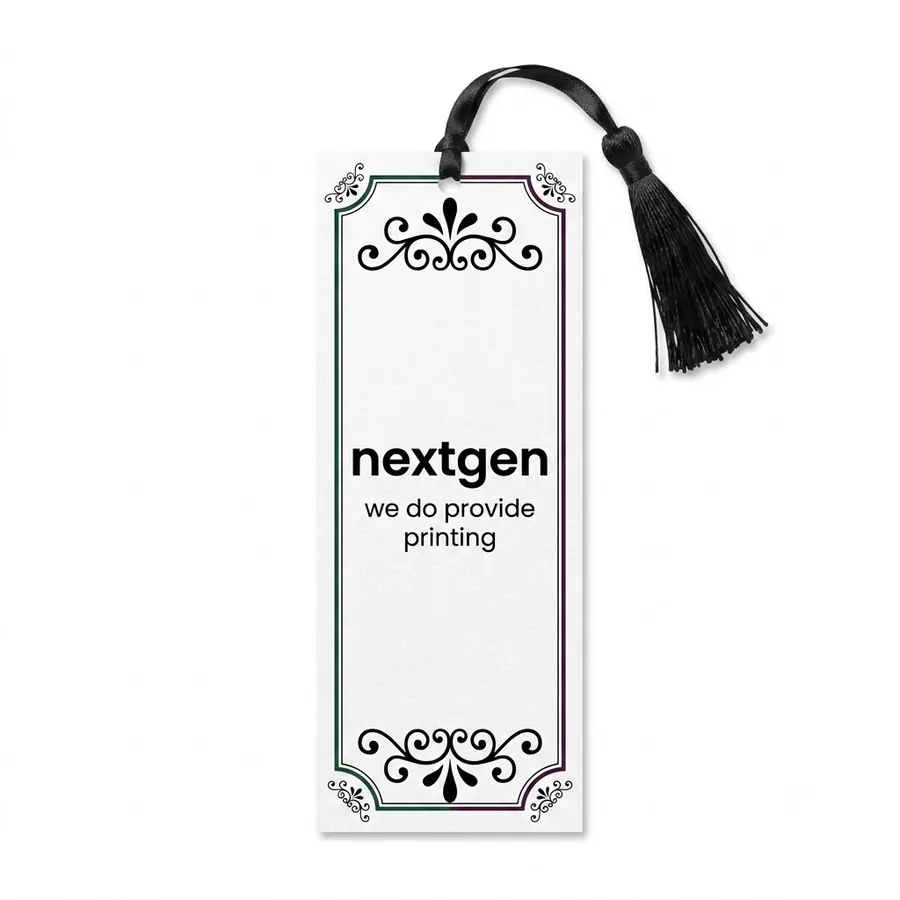
Bookmarks rarely need a full custom silhouette — a rounded-corner card already reads as a proper printed product instead of a cut-up flyer, and that's the cheapest shape change available (see the next section). We only recommend a full die for bookmarks shaped like the product itself, like a tassel cut-out for a tea brand.
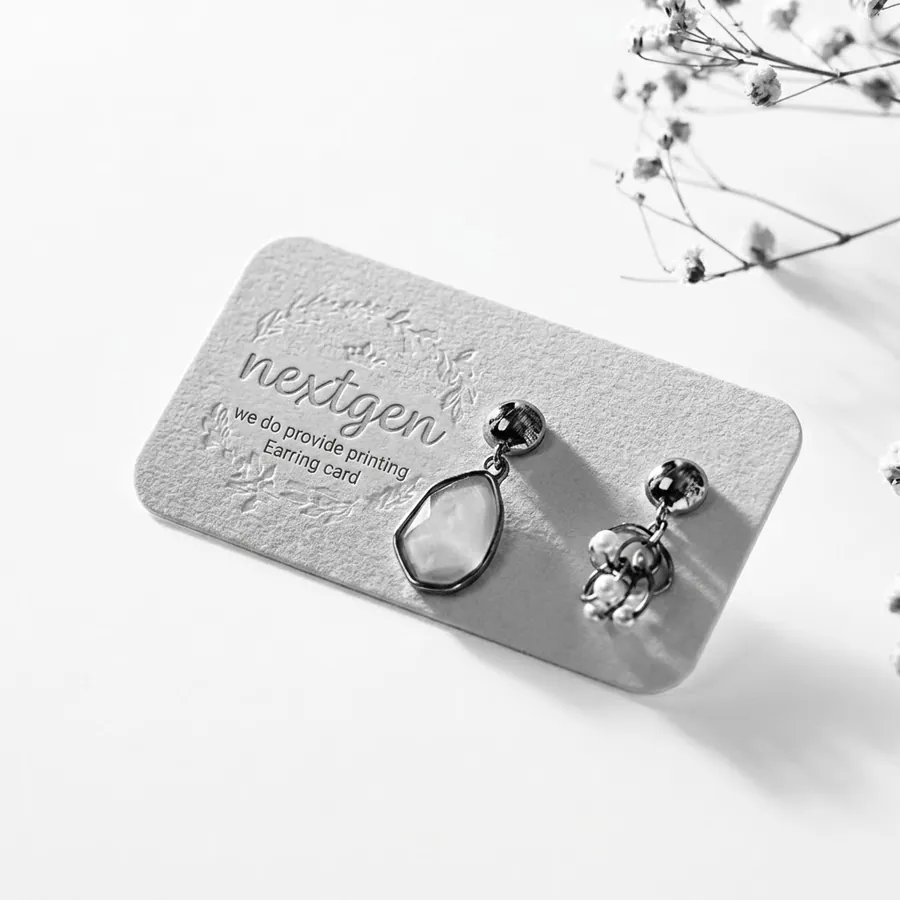
Earring cards are where die-cutting earns its keep functionally, not just visually: the hang hole, the slots that hold the earring post, and often a rounded or scalloped outline all have to be cut in one pass. These need the most accurate dieline of the four, because a hole that's 1mm off centre either won't hold the earring or will tear the card. Send us a sample earring if you have one — it's faster than describing the slot size.
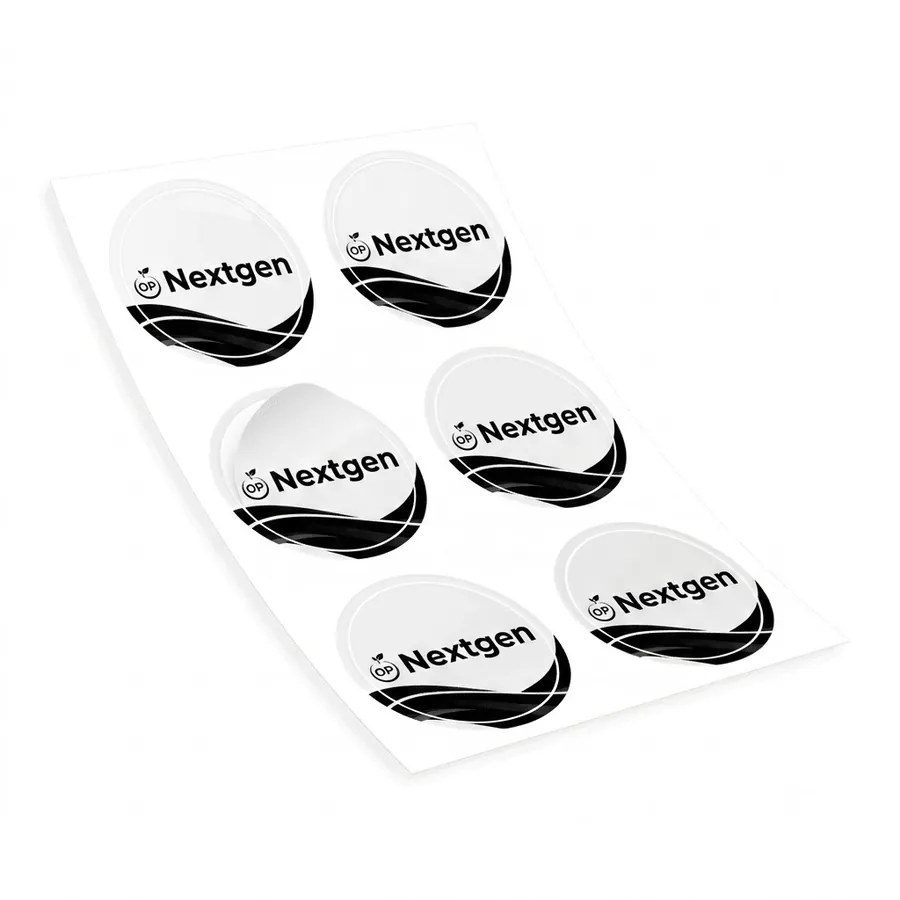
Multi-design sticker sheets put several different shapes on one printed sheet, each with its own dieline, so a seller can offer a set without ordering a separate run per design. The catch is layout: shapes that nest closely waste less sheet (and cost less per piece) than shapes scattered with gaps, so we'll often suggest rearranging your designs before the blade is cut.
Rounded corners vs a full custom outline
These are not the same decision, and conflating them is the most common reason people overpay. A rounded corner uses a standard corner punch that's already on the machine — it adds little to no cost or lead time over a straight-edge cut, and it's enough to make a business card, bookmark or tag feel finished rather than chopped off a bigger sheet. A full custom outline needs a new steel or laser-cut die made specifically for your shape, which adds cost and 2–3 extra working days up front. The upside: once that die exists, every reorder uses it again at no extra tooling cost, so a shape you'll reorder often (a seasonal hang tag, a recurring event badge) pays that setup fee back quickly, while a one-off giveaway usually doesn't.
Why a distinctive shape helps a small brand look established
A straight rectangle is the default shape of everything printed, so it reads as generic no matter how good the artwork is. A recognisable outline — even a simple rounded tag or a leaf-shaped sticker — becomes a shortcut customers associate with your brand before they read a single word, the same way a certain silhouette tells you a chocolate bar brand at a glance. For jewellery, craft and gift sellers especially, the tag or card is often the only "packaging" the product gets, so the shape is doing branding work a box would otherwise do. We'd still save a full custom die for products you sell repeatedly rather than a single market stall — the branding payoff compounds with reorders, a one-off event doesn't get that compounding.
- Worth a custom die — a signature product tag, a recurring membership or loyalty card, packaging you reorder every few months.
- Rounded corner is enough — business cards, bookmarks, most name cards and flyers that just need to feel less "cut from a sheet".
- Skip shaping altogether — large-quantity one-time handouts (mass flyers, single-event name tags) where the cost per piece matters more than the outline.
Requesting a die-cut printing quote in Malaysia
You don't need design software to start. A phone photo of a shape you like, a rough pencil sketch with dimensions, or even a product you already own that we can trace is enough for us to build the dieline. From there we'll send back a proof showing the cut path against your artwork so you can check bleed and safe zone before anything goes to the blade — this is the same bleed and safe-zone logic we cover in more depth in our guide to preparing print-ready artwork, worth a read if you're designing the artwork yourself. Tell us the quantity and whether this is a one-off or a shape you'll reorder; that's what decides whether we recommend a full custom die or a cheaper rounded-corner alternative.
If you've got a shape in mind — even just a photo on your phone — send it to us and we'll tell you honestly whether it needs a custom die or whether a standard cut gets you the same result for less.
几乎每周都会有人问我们同一个问题,通常还附上一张照片:「可以帮我切成这个形状吗?」马来西亚的异形模切印刷,诚实的答案几乎都是可以——真正要想清楚的是,这个客制形状值不值得多花的成本与工时,还是圆角处理就能达到大半效果、价格却便宜很多。以下是我们替珠宝卖家、手作品牌与活动团队做了多年异形加工后,整理出的判断方式。
报价单上「模切」到底指什么
模切是用钢刀模(小批量时用激光切割路径)把印好的纸张切成形状,而不是一张直角矩形。决定稿件能不能顺利通过切割的,是刀模线(dieline)——标出刀具实际走线的向量外框——以及由此延伸出的三个术语:
出血指背景色或图片要超出刀模线至少 2–3 毫米。省掉这一步,刀模只要偏移一毫米,边缘就会露出一条白边。安全区指 LOGO、文字与重要细节要离刀模线至少 2–3 毫米,因为长版印刷时刀具在每次下刀之间可能有轻微偏移,贴边的内容容易被削到。刀模模板是我们交给你(或依你的草图做出来)的文件,切割路径单独放在一个图层,与稿件图层分开,这样印刷师和切割机才能正确读取。
我们最常切的四种形状
我们做的客制形状订单,多数落在以下四类,各有各的讲究。
吊牌(系在衣物、提袋或礼品上的小吊牌)是最容易客制形状的一种——体积小,叶形、盾形或品牌轮廓之类的异形,刀模做好之后单片成本增加有限。绳孔或缎带孔的位置要避开安全区,下单时请告诉我们打算怎么系。
书签很少需要完整的客制外框——圆角卡片已经够像正式印刷品,不像裁下来的传单,而这也是成本最低的形状升级(见下一节)。只有书签形状本身带有产品意象时(例如茶叶品牌的流苏造型),我们才会建议做全异形刀模。
耳环卡是模切真正发挥功能的地方,不只是好看:挂孔、固定耳钉的插槽,常常还要配合圆角或波浪外框,全部要在同一次切割里完成。这四类里它对刀模精度要求最高,挂孔偏移一毫米,耳环就可能卡不住或把卡纸撕破。如果手上有现成的耳环样品,直接寄给我们,比用文字描述插槽尺寸快得多。
多刀模贴纸把好几款不同外形放在同一张印刷纸上,各自带自己的刀模线,卖家不必每款都另开一批印刷。关键在排版:形状排得紧凑比留空隙散放更省纸、单片成本更低,所以我们常会建议在开刀模前先调整一下设计排列。
圆角处理 vs 全异形外框
这两者不是同一个决定,混为一谈是最常见的多花钱原因。圆角用的是机器上本来就有的标准圆角冲头——几乎不增加成本或工时,却足以让名片、书签或吊牌多一分成品感,不再像从大张纸上裁下来的。全异形外框需要专门为你的形状另开一个钢刀模或激光刀模,会增加成本,也多要 2–3 个工作日。好处是:刀模一旦做好,之后每次重印都能重复使用,不再付开模费,所以常重印的形状(季节性吊牌、常办活动的徽章)很快就能把这笔前期费用赚回来,而一次性的赠品通常回不了本。
为什么独特的形状能让小品牌显得更成熟
直角矩形是所有印刷品的默认形状,不管稿件做得多好,看起来都平平无奇。一个容易被记住的外框——哪怕只是圆角吊牌或叶形贴纸——会在顾客还没读到任何文字之前,先成为认出你品牌的捷径,就像有些巧克力品牌光靠轮廓就能一眼认出。对珠宝、手作与礼品卖家来说,吊牌或卡片往往是产品唯一的「包装」,形状在替本该由盒子承担的品牌工作出力。不过我们还是建议把全异形刀模留给会重复销售的产品,而不是单次的市集摆摊——品牌效应要靠重印累积,一次性活动享受不到这个复利。
- 值得开全异形刀模——有代表性的招牌产品吊牌、常办的会员或积分卡、每隔几个月就要重印的包装。
- 圆角处理就够——名片、书签,以及大多数只需要少一点「裁切感」的名片与传单。
- 不必做形状处理——大批量一次性赠品(大量传单、单次活动名牌),单片成本比外形更重要。
在马来西亚申请异形模切印刷报价
不需要设计软件也能开始。一张你喜欢的形状手机照片、一张带尺寸的手绘草图,甚至寄一个你已经拥有、可以让我们描边的实物,都足够我们做出刀模。接下来我们会把切割路径叠在你的稿件上做校样,让你在正式开刀前确认出血与安全区——这跟我们在印刷稿件准备指南里讲的出血与安全区逻辑是同一套,如果你打算自己设计稿件,值得读一读。记得告诉我们数量,以及这是一次性订单还是会重复下单,这会决定我们建议开全异形刀模,还是用更便宜的圆角方案就好。
如果你心里已经有想要的形状——哪怕只是手机里的一张照片——直接发给我们,我们会如实告诉你,这需要开专属刀模,还是用标准切割就能达到同样效果、价格更划算。