RedNote (Xiaohongshu) for Malaysian Brands: A Practical Start马来西亚品牌做小红书(RedNote):实用入门指南
Beauty, wellness, F&B and retail brands whose customers read Chinese have a search channel most Malaysian marketers still ignore: Xiaohongshu, known outside China as RedNote. Someone deciding between two facial studios in Puchong, or two confinement caterers in PJ, often checks RedNote before she checks Google Maps. If your business has no notes there, somebody else's review — or a competitor's — answers for her instead. Xiaohongshu marketing in Malaysia isn't a TikTok strategy copied onto another app; the platform rewards a different kind of content, and the basics take an afternoon to set up properly.
How RedNote Differs from TikTok and Instagram
TikTok and Instagram run on an interruption feed: you weren't looking for a bakery, the algorithm served you one anyway. RedNote behaves more like a search engine with a social layer. Users type a question or a place name into the search bar — "Puchong facial review", "halal confinement food PJ" — and scroll through notes other people saved, not just ones an algorithm guessed they'd like. That changes what wins: a specific, well-tagged note from eight months ago can still surface today, the way an old blog post still ranks on Google. Location tags matter more than on TikTok, because a large share of searches carry "near me" intent. And because notes get saved to boards the way people bookmark a recipe, a note that's useful rather than flashy keeps earning views long after you've stopped posting. This is why we tell clients to treat RedNote vs TikTok as two separate budgets entirely — one buys reach, the other slowly compounds search presence. If you're still weighing where ad spend should go, we've written separately about Meta versus TikTok ad budgets; RedNote mostly sits outside that decision, since for a Malaysian SME it isn't a platform you buy ads on so much as one you need to be found in.
Xiaohongshu Account Setup: Looking Credible from Day One
A personal-looking account with no bio, no address and a profile photo that's a cropped logo won't convert a cautious reader. Business account setup on RedNote asks for registered entity details and basic verification, which is worth completing even if it takes a week to clear — a verified badge tells a reader this is a real shop, not a reseller. After that, the profile needs the same discipline as a Google Business Profile: full address, operating hours, a one-line description in words customers actually search ("facial studio PJ", not "beauty excellence centre"), and a link to WhatsApp or your website. Keep one cover-photo style across every note so a visitor scrolling your grid recognises your brand in half a second — the same reason we tell print clients to keep one colour palette and logo lockup across every physical touchpoint.
A Note Format Local Brands Can Actually Repeat
Most brands stall because they treat every note like a campaign. A format you can shoot weekly beats one polished note a quarter. These formats consistently work for Malaysian F&B, beauty and retail accounts:
- Before/after — a facial, a haircut, a cleaning job; RedNote's audience specifically searches for this comparison format.
- Behind the counter — how a dish is made or an order is packed; builds trust faster than a polished product shot.
- Price-and-what-you-get breakdowns — a flat-lay of what's inside an RM88 facial package or an RM25 set lunch, captioned plainly.
- Reposted customer notes — with permission, a genuine customer's note beats branded content on trust, every time.
- Location-tagged "near me" notes — tag the actual outlet, not just the city, so nearby searches surface it.
Shoot four or five of these in one afternoon on a phone and schedule them a few days apart; this is good news for a small business — XHS rewards consistency over production value, not an agency retainer.
Linking the Offline Visit Back to Your Account
The easiest way to turn a one-time offline visit into a saved RedNote follower is a physical nudge at the exact moment someone already has their phone out — paying, ordering or picking up a gift.
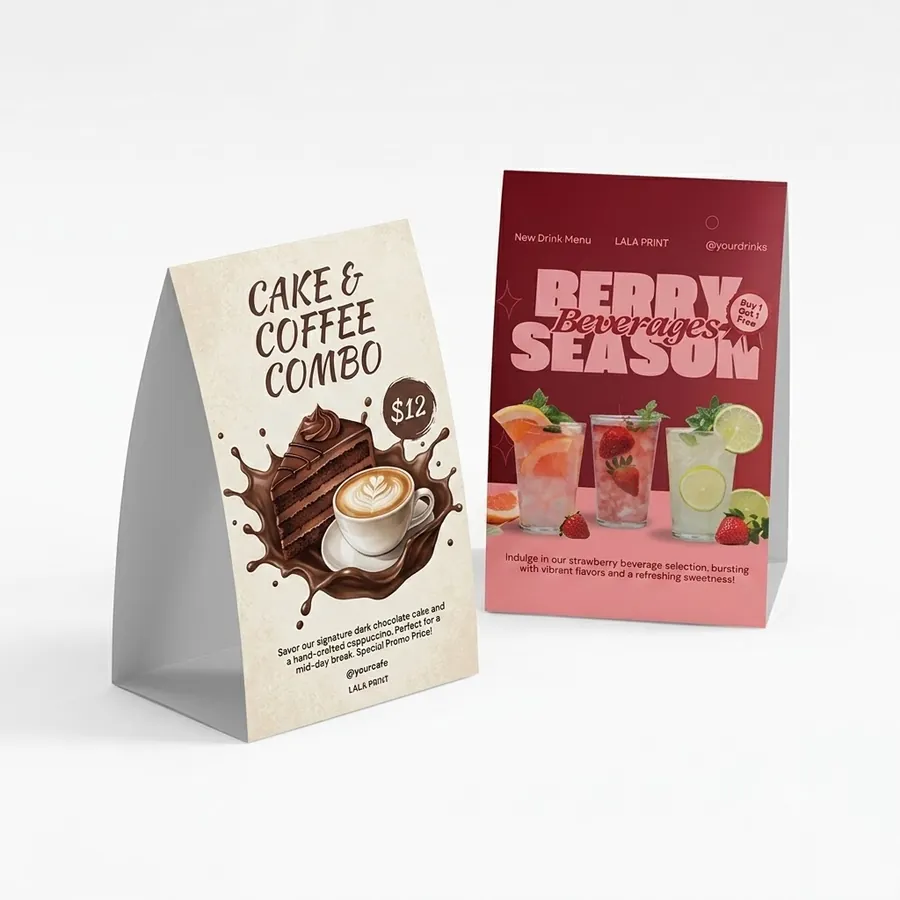
A tent card on the table works because a diner photographing their food already has RedNote open in their recent apps; a QR code and a "find us on RedNote" line next to the dish name converts that moment directly.
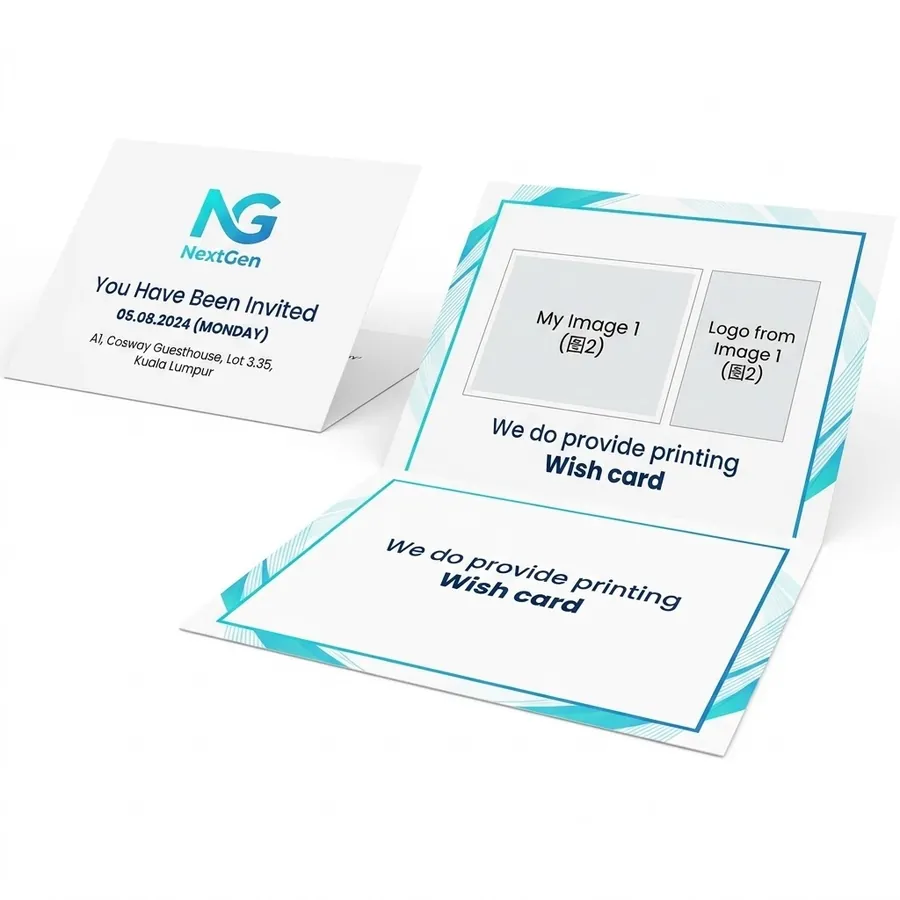
For retail and gifting, a thank-you card tucked into the bag with the same QR gives someone still deciding what to say about the gift a place to look first — and a reason to save your account before they've even left the shop.
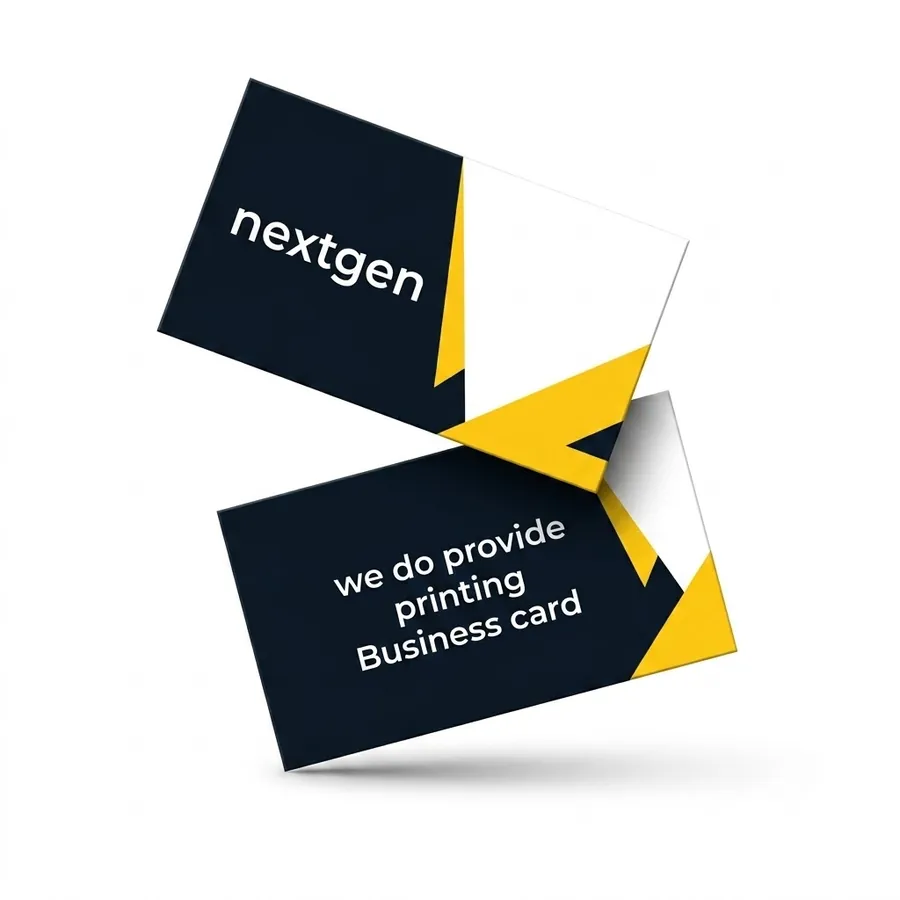
For service businesses and B2B contacts, the same QR on a name card gives a prospect something to check before your next meeting, instead of one more card filed away in a drawer.
What to Expect, Honestly
RedNote marketing in Malaysia still rewards patience over paid reach: a new account typically needs two to three months of regular notes before search visibility and saves start compounding. Treat it as a trust-and-discovery channel, not a flash-sale tool — it moves people from "never heard of this shop" to "I'll check it out", not to same-day sales the way a paid ad can. The platform's rules for business accounts, verification and what counts as advertising content also change without much warning, so check RedNote's current business guidelines before you commit a full content calendar to it.
Where to Start
If RedNote fits your customer base, start with account setup and one note format you can keep up weekly — most of our clients run the content themselves once the account is set up properly. If you'd rather we set it up, shoot the first batch and keep it fed alongside WhatsApp, Meta and TikTok, talk to us — the first consultation is free.
美容美体、健康生活、餐饮与零售品牌,只要客群读得懂中文,就有一个大多数马来西亚营销人还没认真对待的搜索入口:小红书(海外称 RedNote)。一个在蒲种两家美容院之间犹豫的顾客,或是在 PJ 比较两家月子餐的妈妈,很可能先查小红书,而不是先查 Google 地图。如果你的生意在上面完全没有笔记,回答她的人就会是别人的点评——甚至是竞争对手。马来西亚做小红书营销,不是把 TikTok 那套原封不动搬过来;这个平台奖励的是另一种内容,把基础做对,一个下午就够。
小红书与 TikTok、Instagram 的差异
TikTok 与 Instagram 是打断式信息流:你没在找面包店,算法还是把它推给你。小红书更像是带社交功能的搜索引擎。用户会直接在搜索框打问题或地名——「蒲种 facial 推荐」「PJ 清真月子餐」——然后翻看别人收藏过的笔记,而不只是算法猜你会喜欢的内容。这改变了什么内容会赢:一篇八个月前写得够具体、标签够准的笔记,今天照样能被搜到,就像一篇旧博客文章照样能在 Google 排名。定位标签在这里比在 TikTok 上重要得多,因为很大一部分搜索带着「附近」意图。而且因为笔记会被存进收藏夹,就像别人收藏一份食谱,一篇有用而不浮夸的笔记,就算你停更了也还在持续带来浏览。这就是为什么我们告诉客户,要把小红书与 TikTok 当成两笔完全不同的预算——一个买曝光,一个慢慢累积搜索存在感。如果你还在纠结广告预算该投哪边,我们另外写过Meta 与 TikTok 广告预算的比较;小红书多半不在那个决策范围内,因为对马来西亚中小企业来说,它不是一个你花钱投放的广告平台,而是一个你需要「被搜到」的地方。
小红书账号设置:从第一天就要可信
一个看起来像私人账号、没有简介、没有地址,头像还是 logo 硬切图的账号,打动不了谨慎的读者。小红书的企业号设置需要注册实体资料和基础认证,哪怕审核要花上一周也值得做——认证标志会告诉对方这是真实店铺,不是转卖账号。认证之后,账号本身要有跟 Google 商家资料一样的纪律:完整地址、营业时间、用顾客实际会搜的字眼写一句简介(「PJ facial 推荐」而不是「尊享美学中心」),再附上 WhatsApp 或网站链接。每篇笔记用同一套封面风格,让滑过你主页的人半秒就认出这是你的品牌——这跟我们建议印刷客户在每个实体触点上统一色系与 logo 版式,是同一个道理。
本地品牌可以持续产出的笔记形式
大多数品牌卡关,是因为把每篇笔记都当成一场活动来做。一个每周都能拍的形式,胜过一个季度磨一篇的完美笔记。以下形式在马来西亚餐饮、美容与零售账号上一直有效:
- 前后对比——facial、剪发、清洁服务;小红书用户本来就在搜这种对比格式。
- 柜台背后——一道菜怎么做出来、一件商品怎么打包;比精修产品图更快建立信任。
- 价格与内容拆解——平铺拍出 RM88 facial 套餐或 RM25 套餐午餐里有什么,文字写清楚就好。
- 转发真实顾客笔记——征得同意后,真实顾客的笔记在信任度上永远赢过品牌自制内容。
- 定位「附近」笔记——每篇笔记标真实门店位置而不只是城市,附近搜索才找得到你。
一个下午拍四五支,隔几天排一篇;这对小生意反而是好消息——小红书营销看重的是持续更新,而不是制作水准或代理费。
把线下到访导回你的账号
把一次性的线下到访变成小红书上会保存你账号的粉丝,最简单的办法,是在顾客已经拿出手机的那一刻给一个实体提醒——付款、点餐或取件的时候。
台卡放在桌上有用,是因为正在拍食物的顾客,手机里本来就开着小红书;菜名旁边加一句「小红书搜我们」加二维码,就能把这个瞬间直接转化。
零售或送礼场景,塞进袋子里的感谢卡附上同一个二维码,给还没想好怎么形容这份礼物的人,一个可以先看看、先收藏的地方——甚至还没走出店门就先关注了你。
服务型生意与 B2B 客户,同一个二维码放在名片上,给对方一个在下次会面前先翻看你笔记的理由,而不是又一张压在抽屉底下的名片。
诚实地说,该抱什么期待
马来西亚的小红书营销,依然是耐心赢过投放:一个新账号通常需要两到三个月持续发笔记,搜索曝光和收藏量才会开始滚动起来。把它当成建立信任与被发现的渠道,而不是促销工具——它能把「没听过这家店」的人变成「我要去看看」,但别指望它像付费广告那样当天就带来订单。平台对企业号、认证与「算不算广告内容」的规定也会无预警调整,所以在把整季内容排进去之前,先查一下小红书当下对企业号的最新规定。
该从哪里开始
如果小红书符合你的客群,先把账号设置好、定下一个每周都能持续做的笔记形式——很多客户账号弄对之后,内容都是自己来。如果你想让我们代为设置、拍第一批笔记,并让它跟 WhatsApp、Meta、TikTok 一起保持更新,联系我们——首次咨询免费。