The Festive Marketing Calendar: CNY, Raya, Deepavali, 11.11节庆营销日历:农历新年、开斋节、屏哈里与双11
Malaysia runs on a festive calendar most other markets don't have to think about: Chinese New Year, Ramadan and Hari Raya, Deepavali, then 11.11 and 12.12 straight into year-end — four to six separate spending peaks a year, each with its own look, colours and customer expectations. Clients ask us for festive season marketing malaysia help every year around the same time, usually two weeks later than they should. Here's the planner we actually use, month by month, plus the one trick that stops it from becoming three (or six) separate campaigns.
The year at a glance
Dates move every year because CNY follows the lunar calendar and Ramadan follows the Islamic calendar, so check the actual dates each year rather than assuming last year's week. But the rhythm is consistent: a 3–4 week prep window, a 2–3 week tease, then a short, intense sell window that ends sharply on the day itself (CNY, Raya) or at midnight (11.11, 12.12). The mistake we see most is businesses starting the tease and the hard sell at the same time — by the time the audience notices the ad, there's no runway left to convert them.
Chinese New Year (prep: Dec, tease: early Jan, sell: mid-Jan to CNY eve)
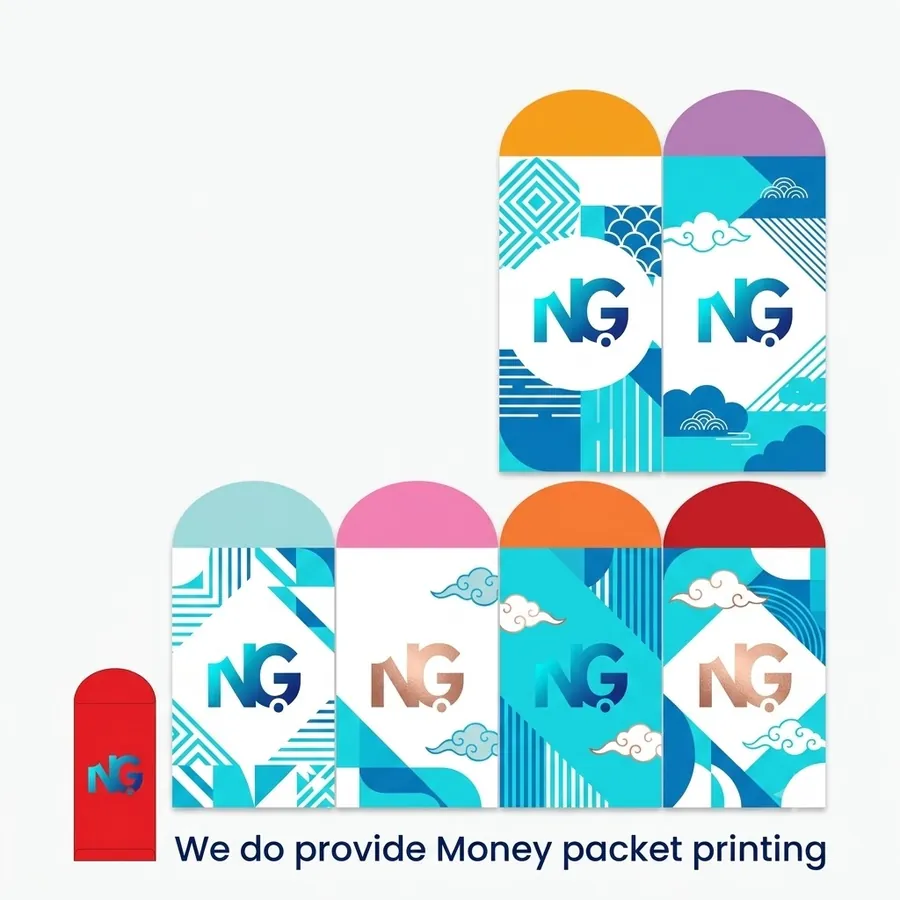
CNY is the biggest single spend event for most Malaysian and Singaporean SMEs with a Chinese customer base — ang pow packets, reunion dinners, new-look shopfronts and corporate gifting all land in the same 3-week window. Shopfronts and malls get visually loud fast, so chinese new year marketing ideas that work tend to be simple and early: red-and-gold signage up before the crowd arrives, a gifting bundle finalised in December (not January), and ad creative shot once and reused across Meta, TikTok and in-store. Budget should front-load into the two weeks before CNY eve — spend drops to near zero on the day itself and the few days after, when everyone's travelling or closed.
Ramadan and Hari Raya (prep: 4–5 weeks before Ramadan, tease: through Ramadan, sell: last 10 days to Raya)
This is the longest runway of the year and the one businesses most often under-plan. Ramadan itself is a content and community month, not a hard-sell month — bazaar visits, iftar promotions and soft "coming soon for Raya" posts do better than discount ads. The actual hari raya marketing push concentrates in the final 7–10 days before Raya, when Malaysians finalise baju raya, hampers, open-house catering and decor in one concentrated rush. If you sell physical goods, have Raya-ready packaging and in-store signage finished before the bazaar season starts — retrofitting it mid-Ramadan means missing the week that matters most.
Deepavali (prep: 3 weeks, tease: 1–2 weeks, sell: final week)
Deepavali has a shorter, sharper window than CNY or Raya — most spending happens in the final 7–10 days on home decor, sweets, new clothes and gifting. Deepavali promotion ideas that perform well mirror CNY's playbook at smaller scale: festive colour palettes (gold, maroon, deep green), a gifting bundle, and signage that goes up early enough to be seen by the weekend before. Because the audience is smaller and more concentrated (largely Klang Valley, Penang and Ipoh for retail foot traffic), hyper-local targeting usually beats a broad national push.
11.11, 12.12 and year-end (prep: continuous, sell: midnight to midnight)
These are pure e-commerce events with no cultural prep window — 11.11 sale preparation is really about platform mechanics: vouchers scheduled in Shopee/Lazada/TikTok Shop seller centre days in advance, stock levels confirmed, and ad budget concentrated into the 48 hours around midnight when platform traffic peaks. Unlike CNY or Raya, there's no slow build — conversion is almost entirely driven by the discount depth and voucher stacking visible at the moment of checkout. Year-end (mid-Dec to early Jan) then blends straight into CNY prep, so treat it as the start of the next cycle rather than a separate campaign.
How we split a fixed budget across all of it
Most SMEs we work with don't have four separate festive budgets — they have one annual marketing budget that has to cover all of it, and festive ad budget questions are really about allocation, not total spend. Our rule of thumb: CNY and Raya (if you serve a Malay customer base) get the largest shares since they're the longest and highest-intent windows; Deepavali gets a smaller, tightly-targeted slice; 11.11/12.12 get a short, intense burst timed to the exact dates, not a slow ramp. Reserve roughly 10–15% as a float for whichever festival is tracking better than expected that year — ad costs and competition rise every festival as every competitor bids for the same attention, so the plan should flex, not just execute on schedule.
- CNY — creative and stock ready by early December; heaviest spend mid-January to CNY eve.
- Ramadan/Raya — soft content through Ramadan; heaviest spend in the final 10 days before Raya.
- Deepavali — shorter prep; heaviest spend in the final week, hyper-local targeting.
- 11.11/12.12 — no cultural tease; vouchers and stock locked days ahead, spend concentrated around midnight.
- Floating reserve — keep 10–15% of festive budget unassigned until you see which festival is actually converting.
One offer framework, not three campaigns
The trap multi-racial Malaysian businesses fall into is building three (or four) completely separate campaigns — new offer, new creative, new landing page for CNY, then again for Raya, then again for Deepavali. That triples the production work for marginal gain. We tell clients to build one reusable offer structure (a tiered gift bundle, a "buy X get Y" mechanic, a loyalty top-up) and re-skin it with festival-specific colours, copy and imagery each time. The wish cards and bunting that go up for CNY come down and go back up, re-coloured, for Deepavali three months later — same production process, same supplier relationship, same ad account structure, just a new look. That's also exactly how we run paid social for clients year-round: we don't rebuild strategy per festival, we rebuild the skin.
If you've read our guide on combining print and digital, this is the same principle applied to a calendar instead of a single campaign: plan the in-store and online pieces together, and reuse what works instead of starting from a blank page every few months.
Where to start
If your next festival is less than six weeks away and you haven't started, you're not too late — you just need to compress the prep window instead of skipping it. Talk to us about the print and the ad side together; we'll tell you honestly which festival deserves the bigger share of this year's budget.
马来西亚的营销日历是大多数市场不需要面对的:农历新年、斋月与开斋节、屏哈里(Deepavali)、接着双11、双12一路冲进年底——一年四到六个消费高峰,每一个都有自己的色调、氛围与客户期待。每年到了差不多的时间,客户都会来问我们节庆营销 malaysia该怎么做,通常都比该开始的时间晚了两周。以下是我们实际在用的月度规划表,外加一个让它不会变成三个(甚至六个)独立项目的做法。
全年概览
每年的具体日期都会变动——农历新年按阴历走,斋月按伊斯兰历走,所以每年都要查实际日期,不要照搬去年那一周。但节奏是一致的:3–4 周的准备期,2–3 周的预热期,接着是一段短而密集的销售窗口,在当天(农历新年、开斋节)或午夜(双11、双12)戛然而止。我们最常看到的错误,是预热期和主力促销同时开打——等受众注意到广告时,已经没有足够的时间把他们转化成顾客了。
农历新年(准备:12 月,预热:1 月初,销售:1 月中旬到除夕)
对大多数服务华人客群的马来西亚与新加坡中小企业来说,农历新年是单一最大的消费事件——红包、团圆饭、焕然一新的店面与企业送礼,全都挤在同一个为期 3 周的窗口里。商场与店面的视觉竞争很快就会变得拥挤,所以好用的农历新年营销创意往往越简单、越早布置越好:红金配色的招牌在人潮到来前就要挂上,送礼礼盒在 12 月就该定案(而不是 1 月),广告素材一次拍好,在 Meta、TikTok 与实体店重复使用。预算应该前置在除夕前两周集中投放——当天以及之后几天,大家忙着返乡或商家休息,消费几乎降到零。
斋月与开斋节(准备:斋月前 4–5 周,预热:整个斋月,销售:开斋节前 10 天)
这是全年准备期最长的节庆,也是企业最容易准备不足的一个。斋月本身是内容与社群经营的月份,不是硬促销的月份——逛巴刹、开斋餐促销、「屏哈里即将上市」的软性贴文,效果通常好过折扣广告。真正的屏哈里营销主力冲刺,集中在开斋节前最后 7–10 天,这时马来顾客会把开斋节服装、礼篮、开放日餐饮与装饰一次性集中敲定。如果你卖实体商品,屏哈里专用的包装与店内招牌一定要在巴刹季开始前就准备好——等到斋月中段才补做,等于错过了最关键的那一周。
屏哈里(准备:3 周,预热:1–2 周,销售:最后一周)
相较于农历新年或开斋节,屏哈里的窗口更短、更集中——大部分消费发生在最后 7–10 天,集中在家居装饰、甜品、新衣与送礼上。表现好的屏哈里促销创意,做法上与农历新年类似但规模更小:节庆配色(金色、酒红、深绿)、一款送礼礼盒组合,以及足够早挂出、能被前一个周末看到的招牌。由于受众更集中(零售人流主要集中在巴生谷、槟城与怡保),比起全国性的大范围投放,高度在地化的定向投放通常效果更好。
双11、双12与年终(准备:持续进行,销售:零点到零点)
这些是纯电商事件,没有文化性的准备期——双11促销准备真正比拼的是平台操作:Shopee、Lazada、TikTok Shop 卖家中心的优惠券要提前几天排好,库存要确认,广告预算则集中投放在零点前后、平台流量最高的 48 小时。和农历新年或开斋节不同,这里没有慢慢铺垫的过程——转化几乎完全取决于结账那一刻看到的折扣力度与优惠券叠加。年终(12 月中到 1 月初)紧接着就会过渡到农历新年的准备期,所以应该把它当成下一个周期的起点,而不是独立的活动来看待。
固定预算怎么分配
我们合作的大多数中小企业,并没有四份独立的节庆预算——只有一份要覆盖全年的营销预算,所以节庆广告预算的问题其实是分配问题,而不是总量问题。我们的经验法则是:如果你的客群以华人或马来顾客为主,农历新年和开斋节应分到最大的份额,因为它们窗口最长、购买意图最强;屏哈里分到较小但高度精准投放的份额;双11、双12则是短而猛的爆发,时间点要卡准确切日期,而不是慢慢铺量。预留大约 10–15% 作为机动预算,留给当年表现超预期的那个节庆——每个节庆的广告成本与竞争都会上涨,因为所有竞争者都在抢同一批注意力,所以计划要能灵活调整,而不是死板照搬执行。
- 农历新年——12 月初前备好素材与库存;1 月中旬到除夕投入最大预算。
- 斋月/开斋节——整个斋月做软性内容;开斋节前最后 10 天集中投放。
- 屏哈里——准备期较短;最后一周集中投放,做高度在地化定向。
- 双11/双12——没有文化性预热;提前数天锁定优惠券与库存,预算集中在零点前后。
- 机动预算——节庆预算的 10–15% 先不分配,等看清哪个节庆实际转化更好再投。
一套可重复使用的促销框架,而不是三个独立项目
服务多元族群客群的马来西亚企业最容易掉进的陷阱,是为农历新年、开斋节、屏哈里分别打造三套(甚至四套)完全独立的项目——各自有新的优惠、新的素材、新的落地页。这只会让制作工作量翻三倍,收益却有限。我们会建议客户搭建一套可重复使用的促销结构(分级礼盒、「买 X 送 Y」机制、会员储值加赠),每次只需换上节庆专属的色调、文案与图像重新包装。祝福卡与直幅挂旗在农历新年用完收起来,三个月后换个颜色重新挂上屏哈里版——同一套生产流程,同一个供应商关系,同一套广告账户结构,只是换了一张「皮」。这也正是我们全年为客户操盘社媒广告的方式:不是每个节庆重做一次策略,而是每次只换皮。
如果你读过我们关于线上线下结合的指南,这里用的是同一个原则,只是套用在整年的日历上,而不是单一活动:把线下与线上的物料一起规划,把有效的做法重复使用,而不是每隔几个月就从零开始。
从哪里开始
如果离下一个节庆只剩不到六周、你还没开始,也不算太迟——只是需要把准备期压缩,而不是跳过它。联系我们,把印刷与广告两头一起谈;哪个节庆该分到今年更大的预算,我们会如实告诉你。