Google Search Ads for Local Businesses: Is It Worth It?本地商家的 Google 搜索广告:值得投吗?
We get some version of this question every month, usually from an aircon servicing company, a car workshop, a clinic or a B2B supplier: should we run Google Ads in Malaysia, or put that money into Facebook and TikTok instead? There's no universal answer, but there's a fast way to tell which side you're on — and it isn't about budget size, it's about how your customers already look for you.
Intent beats interruption — but only for the right business
Search ads capture demand that already exists. Someone types "aircon servicing near me" or "signboard contractor Selangor" because they have a problem right now and are actively choosing who solves it — that's intent. Social ads, by contrast, interrupt someone scrolling who wasn't looking for you at all; they work by creating desire, not capturing it. If your customers typically search before they buy — anything with "near me", a comparison, or a specific technical term attached — Google Ads meets them at the exact moment they're ready to act. If your product is the kind people discover by seeing it, not by searching for it (impulse-friendly physical goods, fashion, food), a search campaign will mostly sit there with no traffic, because nobody is typing that search in the first place.
Your Google Business Profile and landing page come before the ad
Before any ad spend, two things need to be in order. First, your Google Business Profile — it's free, it shows up above the organic results, and for local searches it often gets clicked before your website does. A profile with real photos, correct hours, your service area and a handful of recent reviews will outperform a polished website with none of those. Second, the page the ad actually sends people to. A homepage with six menu items and no clear next step wastes the click you just paid for; a single-offer landing page with one phone number or WhatsApp button converts markedly better for the same spend. Get both right before you turn ads on — they're free improvements that make every paid click more effective.

Keywords, match types and negative keywords — where budget leaks
Most wasted Google Ads spend isn't a weak ad, it's the wrong searches triggering it. Your match type decides how literally Google interprets your google ads keywords:
- Broad match — widest reach, matches related searches Google judges similar; cheapest to set up, but burns budget fastest if left alone.
- Phrase match — requires your core phrase to appear in roughly the order you set; a reasonable middle ground for most local businesses starting out.
- Exact match — closest to the literal term and its obvious variants; smallest reach, cleanest intent, usually the most efficient once you know which terms actually convert.
- Negative keywords — the list of searches you explicitly exclude. An aircon servicing company should block "aircon repair course", "aircon price list pdf" and "aircon jobs" the first week, or the ad spend goes to people with no intention of hiring anyone.
Check the search terms report weekly for the first month. It shows exactly what people typed before your ad showed — the fastest way to find both new keyword ideas and the next negative keyword to add.
Google Ads vs Facebook Ads — same budget, different job
This comes up constantly, and the honest comparison isn't which platform is "better" — it's which job you're paying each one to do. Google Ads is a response to a search that already happened; you're bidding for people who decided to look. Facebook and Instagram ads create the decision to look in the first place, using interest and behaviour targeting instead of a typed query. A workshop or clinic with steady search volume for its service usually gets a lower cost per enquiry from Google, because the audience has already filtered itself by typing the search. A newer business with no existing search demand — a brand nobody's heard of yet — often does better starting on Meta to build awareness first, then layering in Google Ads once people start searching its name or category. Running both is common once budget allows; they rarely cannibalise each other because they're fishing in different ponds.
Sizing your first month's test budget
We won't quote you a cost-per-click or a guaranteed result here — both move with your industry, location and competition, and anyone who promises a fixed number before seeing your account is guessing. What we will give you is a sizing rule: budget for enough clicks and conversions in a month that you can actually read the data, not just enough to "try it". A campaign that gets three enquiries in four weeks tells you almost nothing; one that gets thirty tells you which keywords, ad copy and times of day are working. Most Malaysian SMEs we work with start from roughly RM30–50 a day in platform spend and scale from there once conversion volume is high enough to trust the numbers, with the first month treated explicitly as a learning phase, not a verdict.
Beyond the click — make the rest of your brand hold up
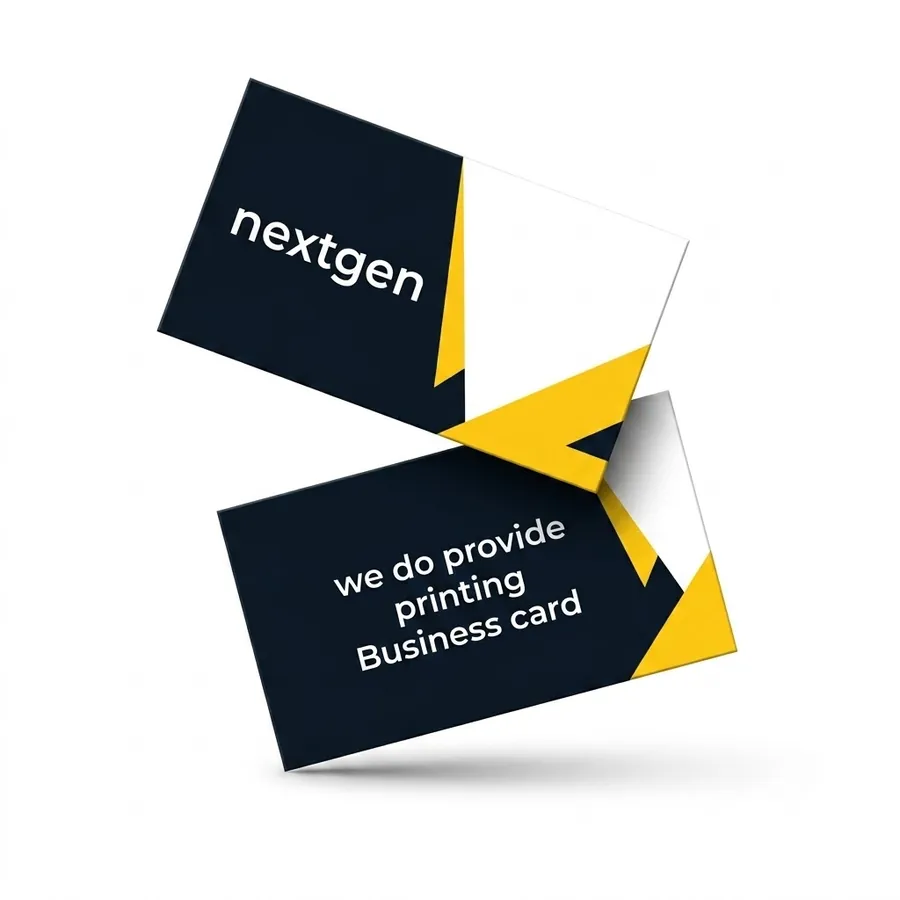
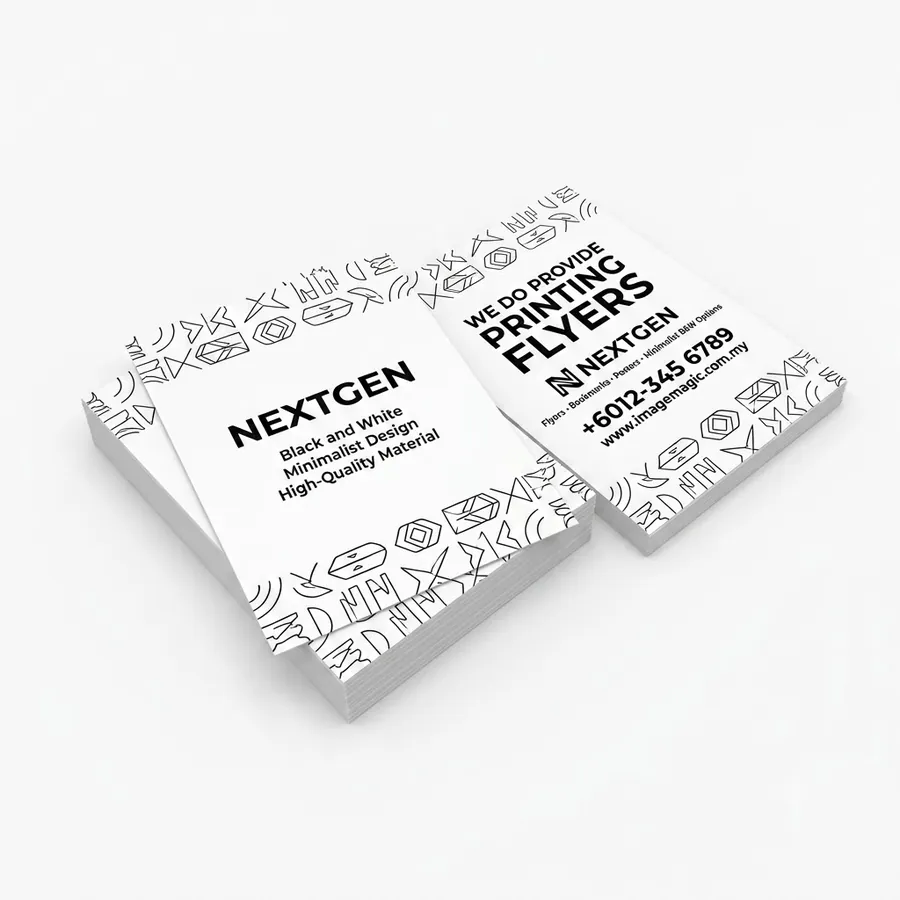
An ad click is one touchpoint in a longer decision, especially for higher-ticket B2B and services. The technician who turns up for the aircon job, the salesperson who follows up a workshop enquiry, the clinic receptionist who answers the phone — they all need the same professional footing the ad promised. A business card left behind after a service visit, and a flyer at the counter or on a van, keep reinforcing the brand between the click and the next decision — and they quietly feed a second channel: people who saw your name offline later search for it directly, which shows up as free "branded search" traffic Google Ads doesn't have to pay for.
Where to start
If you're not sure whether Google Ads or social ads fit your business, send us what you sell and how customers currently find you — talk to us and we'll tell you honestly which channel to test first, with ad spend billed to you directly by the platform and no markup on our end. The first consultation is free.
几乎每个月都有客户问我们类似的问题,通常是冷气维修公司、汽车维修厂、诊所或 B2B 供应商:该在马来西亚投放 Google 广告,还是把预算放到 Facebook 和 TikTok?没有放诸四海皆准的答案,但有个快速判断的方法——关键不在预算大小,而在你的客户本来就是怎么找到你的。
意图胜过打扰——但只对特定生意成立
搜索广告承接的是已经存在的需求。有人打出「附近冷气维修」或「雪兰莪招牌承包商」,是因为他们现在就有问题,而且正在主动挑选谁来解决——这就是意图。相反,社媒广告打扰的是正在刷手机、根本没在找你的人;它靠制造欲望,而不是承接需求。如果你的客户通常是先搜索才购买——带「附近」、比价,或特定技术词的任何需求——Google 广告能在他们准备行动的那一刻精准出现。如果你的产品是靠「被看到」而不是「被搜索」发现的(冲动型实体商品、服饰、食品),搜索广告基本上会没有流量,因为根本没人在打那个搜索词。
Google 商家档案与落地页要先做好,广告才上
投放前有两件事要先理顺。第一,你的Google 商家档案——它是免费的,排在自然搜索结果上方,对本地搜索而言,常常比你的官网先被点击。一个有真实照片、正确营业时间、服务范围与几条近期评价的档案,表现会超过一个毫无这些内容的精致官网。第二,广告实际导向的页面。一个有六个菜单项却没有明确下一步的首页,会浪费你刚付钱买来的点击;一个单一优惠的落地页,配一个电话号码或 WhatsApp 按钮,同样预算下转化率明显更高。两件事都先做对,再打开广告——这是免费的改善,能让每一次付费点击都更有效。
关键词、匹配方式与否定关键词——预算最常漏在这里
大多数被浪费的 Google 广告预算,问题不在广告文案弱,而在触发广告的搜索词本身就不对。匹配方式决定 Google 对你的关键词理解得有多「字面」:
- 广泛匹配——覆盖最广,会匹配 Google 判断相关的搜索词;设置最简单,但如果不管它,预算烧得最快。
- 词组匹配——要求核心词组按大致顺序出现;对多数刚起步的本地商家来说是合理的折中。
- 完全匹配——最贴近字面词及其明显变体;覆盖最小、意图最干净,一旦你知道哪些词真的能转化,通常效率最高。
- 否定关键词——明确排除的搜索词清单。冷气维修公司第一周就该排除「冷气维修课程」「冷气价格表 pdf」「冷气工作招聘」,否则预算会花在根本没打算请人的人身上。
第一个月每周检查一次搜索词报告。它会显示广告出现前客户到底打了什么——这是找新关键词、也是找下一个否定关键词的最快方法。
Google 广告对比 Facebook 广告——同样的预算,不同的任务
这个问题一直有人问,诚实的比较不是哪个平台「更好」,而是你花钱请哪个平台做哪件事。Google 广告回应的是已经发生的搜索;你出价竞争的是已经决定要找的人。Facebook 与 Instagram 广告则是制造「想找」这个决定本身,靠兴趣与行为定向,而不是打字输入的搜索词。一家本身就有稳定搜索量的维修厂或诊所,通常在 Google 上拿到更低的单次询盘成本,因为受众已经靠打字自我筛选过一轮。一个还没有现成搜索需求的新品牌——大家还没听过的牌子——往往先在 Meta 上建立认知效果更好,等客户开始搜索品牌名或品类后,再叠加 Google 广告。预算够的话两者并行很常见;它们很少互相蚕食,因为本质上是在不同的池子里捞鱼。
第一个月测试预算怎么定
我们不会在这里给你一个每次点击成本或保证结果的数字——两者都随行业、地区与竞争程度变化,任何没看过你账户就先报死数字的人都是在猜。我们能给的是一条定预算的规则:预算要足够让你一个月内拿到能读懂的点击量与转化量,而不只是「试试看」的量。一个月四周只拿到三个询盘,几乎说明不了任何事;拿到三十个,就能看出哪些关键词、文案与时段真正有效。我们合作的多数马来西亚中小企业,一开始大概从每天 RM30–50 的平台预算起步,等转化量足够可信后再逐步加码,并把第一个月明确当作学习期,而不是定论。
点击之后——确保品牌其他部分也撑得住
一次广告点击只是一段更长决策过程中的一个触点,尤其是客单价较高的 B2B 与服务业。上门做冷气维修的技师、跟进维修厂询盘的销售、接诊所电话的前台——他们都得撑起广告承诺的那份专业感。上门服务后留下一张名片,在柜台或车身上放一张传单,能在点击与下一次决策之间持续强化品牌——它们还悄悄喂养了另一个渠道:线下见过你名字的人,之后会直接搜索品牌名,这会变成 Google 广告不需要付费的「品牌搜索」自然流量。
从哪里开始
如果你还不确定该投 Google 广告还是社媒广告,把你卖什么、客户目前怎么找到你告诉我们——联系我们,我们会如实告诉你该先测哪个渠道,广告预算由平台直接向你收取,我们这边不加价。首次咨询免费。