Shop Window and Wall Stickers: What Installation Involves店面玻璃与墙贴:安装流程与注意事项
Most owners order window sticker printing the same way they order a business card — pick a design, pick a size, wait for delivery. Then it arrives, and the glass is a different shape than expected, the door handle is sitting in the middle of the logo, and nobody told them the sticker needs an installer, not a roll of tape. This is the part of the job that actually determines whether a shopfront graphic looks sharp for three years or peels at the corner in three months.
Measure the glass, not the design
Every reprint we've done for a shopfront traces back to the same mistake: the artwork was sized to a rough guess instead of the actual glass panel. Before any design work starts, measure width and height of each panel the sticker will sit on, and note what's already on it — door handles, push bars, alarm sensors, AC unit brackets, the seam where two glass panels meet. A good sticker installation job starts with a site measurement, not a file upload. If you're working from a photo instead of a site visit, include something of known size in the frame (a A4 sheet taped to the glass works) so the dimensions can be scaled accurately.
Opaque, transparent or outdoor PVC — picking the right material
This is where most quotes go wrong, because the three materials solve different problems:
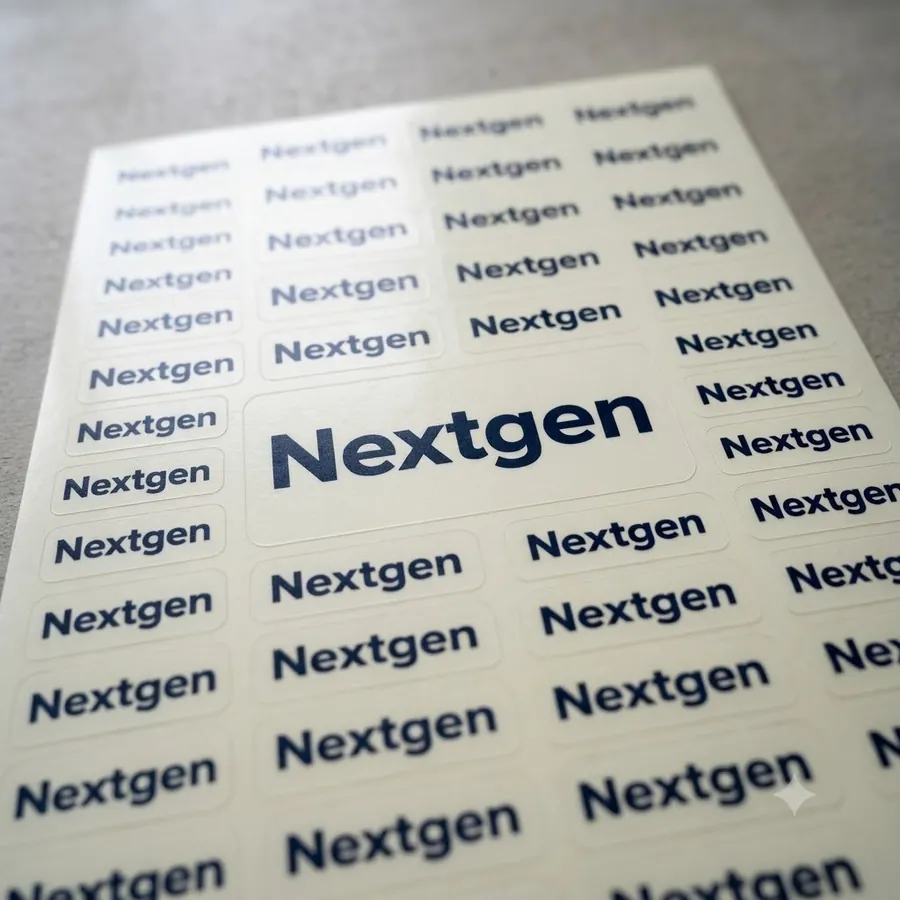
- Opaque vinyl — full-colour, blocks the view through, best for logo walls, feature walls and anywhere you want a clean brand surface rather than a window into the shop.
- Transparent sticker — print shows but glass stays see-through behind it. The right call for shop windows where you still want passers-by to see merchandise or interior lighting, or where a landlord's tenancy agreement requires window visibility.
- Outdoor PVC sticker — UV and weather-rated film for anything exposed to direct sun and rain: external glass facing the street, standalone signage panels, roadside-facing walls. Indoor-grade vinyl on an outdoor-facing window fades and lifts within a year; it's not a corner worth cutting.
Tell your printer which surface the sticker faces (indoor-facing glass, street-facing glass, or an actual wall) before they quote material — it changes the answer, not just the price.
Design around the obstacles, not over them
A logo split by a door handle or a phone number that lands exactly behind a push bar reads as careless even when the print quality is perfect. Once measurements are in hand, mark where hardware sits and keep text and logos clear of those zones — shift the layout, not the hardware. For opening-hours decals specifically, keep the text block at eye level (roughly 140–160cm from the ground) and away from the door swing radius, so it's readable from the pavement without anyone leaning in. Leave at least 2–3cm of margin from any glass edge or frame — vinyl cut flush to the edge is the first spot that lifts.
Why bubble-free application needs a pro
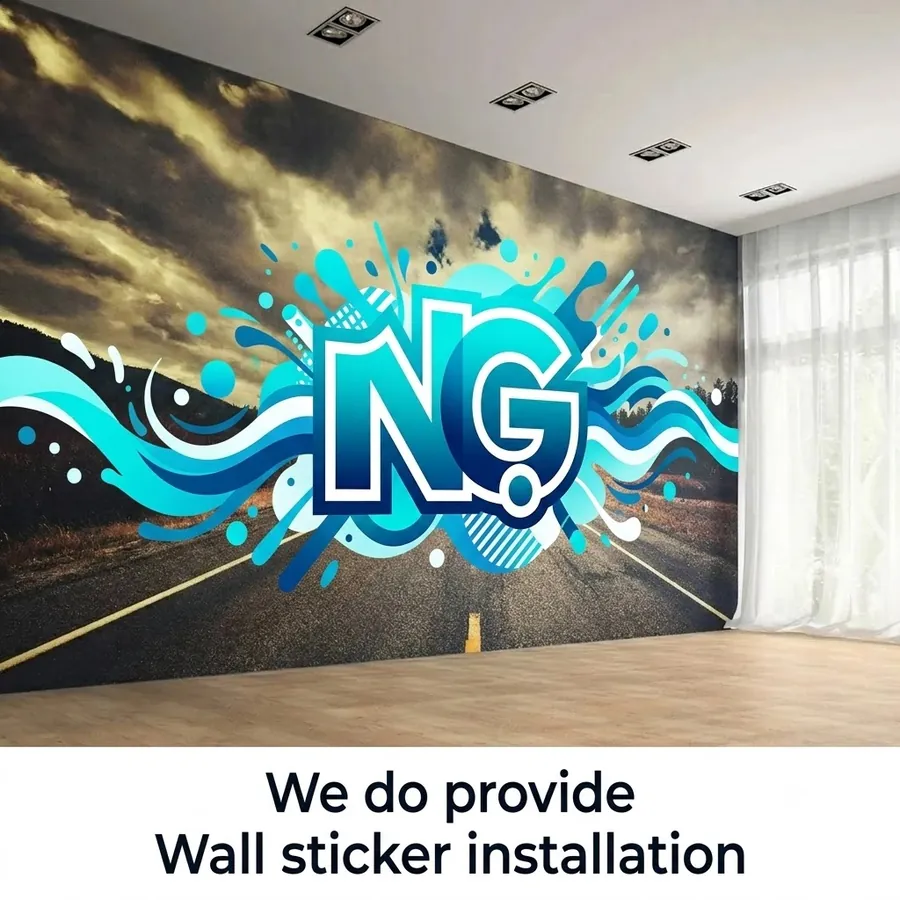
Large-format vinyl on glass or a feature wall is unforgiving: trapped air bubbles, misaligned panels on a multi-piece graphic, and torn corners during removal of the backing film are all common when it's done without the right squeegees, heat gun and wet-application technique for the material. For anything bigger than a small door decal, factor in professional wall sticker installation or window installation rather than handing a roll to staff — the cost difference is small next to the cost of a visibly bubbled brand wall or a reprint.
A quick checklist before you order
- Site-measure every panel, noting handles, sensors and seams.
- Decide indoor vs street-facing — that decision picks the material, not the design.
- Keep logo, contact details and opening hours at eye level, clear of hardware and edges.
- Book installation with the print order, not as an afterthought — installers need the material specs to bring the right tools.
- Ask for a proof at actual size (or a printed mock) before the final sticker is cut, especially for multi-panel walls.
Getting it right the first time
We treat window and wall stickers the same way we treat any material choice in our catalogue — the material question comes before the design question, because the wrong film doesn't survive the environment it's going into. If you're planning a shopfront refresh or a new outlet, send us the glass dimensions (or let us measure on-site) and we'll tell you honestly which material and layout fit, before anything goes to print.
大部分老板订购店面玻璃贴纸的方式,跟订名片差不多——选个设计、选个尺寸,等着送货上门。结果贴纸送到才发现,玻璃形状跟预想的不一样,门把手正好卡在 Logo 中间,而且没人提醒这种贴纸需要专业安装师,不是一卷胶带就能搞定。恰恰是这个环节,决定了店面图案能美观三年,还是三个月后就从角落开始翘边。
先量玻璃,再谈设计
我们做过的店面贴纸重印案例,几乎都能追溯到同一个错误:稿件尺寸是靠粗略猜测定的,而不是按实际玻璃面板量出来的。设计开始之前,先量好贴纸要贴的每一块玻璃面板的宽高,并记下面板上已经有的东西——门把手、推门杆、警报感应器、冷气机支架,以及两块玻璃的接缝处。一个靠谱的贴纸安装流程,是从现场量尺开始,而不是从上传文件开始。如果你是靠照片而不是现场测量,记得在画面里放一个已知尺寸的参照物(比如贴一张 A4 纸在玻璃上),这样尺寸才能被准确换算。
不透明、透明还是户外 PVC——材质怎么选
这正是大多数报价出错的地方,因为这三种材质解决的是不同的问题:
- 不透明贴纸——全彩印刷,完全遮挡视线,适合 Logo 墙、品牌主题墙,以及任何你想要一个干净品牌表面、而不是能看穿店内的窗口的地方。
- 透明贴纸——图案可见,玻璃背后依然透光。适合还想让路过的人看到商品或店内灯光的店面窗户,或是租约要求窗户必须保持通透的情况。
- 户外 PVC 贴纸——具备抗 UV 与耐候性能的薄膜,适用于任何直接曝晒雨淋的位置:面向街道的外部玻璃、独立展示立牌、面向路边的墙面。室内级贴纸用在朝外的玻璃上,一年内就会褪色翘边——这不是值得省的成本。
在报价之前,先告诉印刷商贴纸要贴的是哪种面(室内朝向玻璃、面街玻璃,还是实体墙面)——这会改变材质的答案,不只是价格。
围着障碍物设计,而不是压在上面
Logo 被门把手切成两半,或是电话号码正好落在推门杆后面,即便印刷品质再好,看上去也会显得粗糙。量尺完成后,先标出五金件的位置,再把文字和 Logo 排布在这些区域之外——移动的是版面,不是五金件。对于营业时间贴纸,文字区块要保持在视线高度(约离地 140–160 公分),并避开开门的摆动范围,让路过的人不用凑近就能看清。贴纸边缘与玻璃边框至少留 2–3 公分的边距——贴到边缘的贴纸最容易先翘起来。
为什么无气泡安装需要找专业的人
大面积的玻璃或墙面贴纸很考验手法:气泡没排干净、多块拼接图案对不齐、揭离背纸时边角被撕破——这些问题在没有合适刮板、热风枪与湿贴手法的情况下都很常见。只要尺寸超过一张小型门贴,就该把专业墙贴安装或窗贴安装的费用算进预算,而不是把一卷贴纸交给店员自己贴——这笔费用,跟一面明显起泡的品牌墙或一次重印相比,差距并不大。
下单前的快速检查清单
- 现场量好每一块面板,记下把手、感应器与接缝的位置。
- 先确定室内还是面街朝向——这个决定会定下材质,而不是设计。
- Logo、联系方式与营业时间保持在视线高度,避开五金件与边缘。
- 安装要跟印刷订单一起预约,别等事后再想——安装师需要材质规格才能带对工具来。
- 切割前先要一份实际尺寸的校样(或打印出来的模拟图),多面板的墙面尤其要确认。
第一次就做对
我们对待窗贴与墙贴的态度,跟目录里任何材质选择一样——材质问题要先于设计问题解决,因为错误的膜材根本撑不过它要面对的环境。如果你正打算翻新店面或开新店,把玻璃尺寸发给我们(或让我们到现场量),我们会在任何东西送去印刷之前,老实告诉你哪种材质和版面最适合你。