Custom T-Shirt Printing: Uniforms, Event Tees and Giveaways定制T恤印刷:制服、活动服与赠品指南
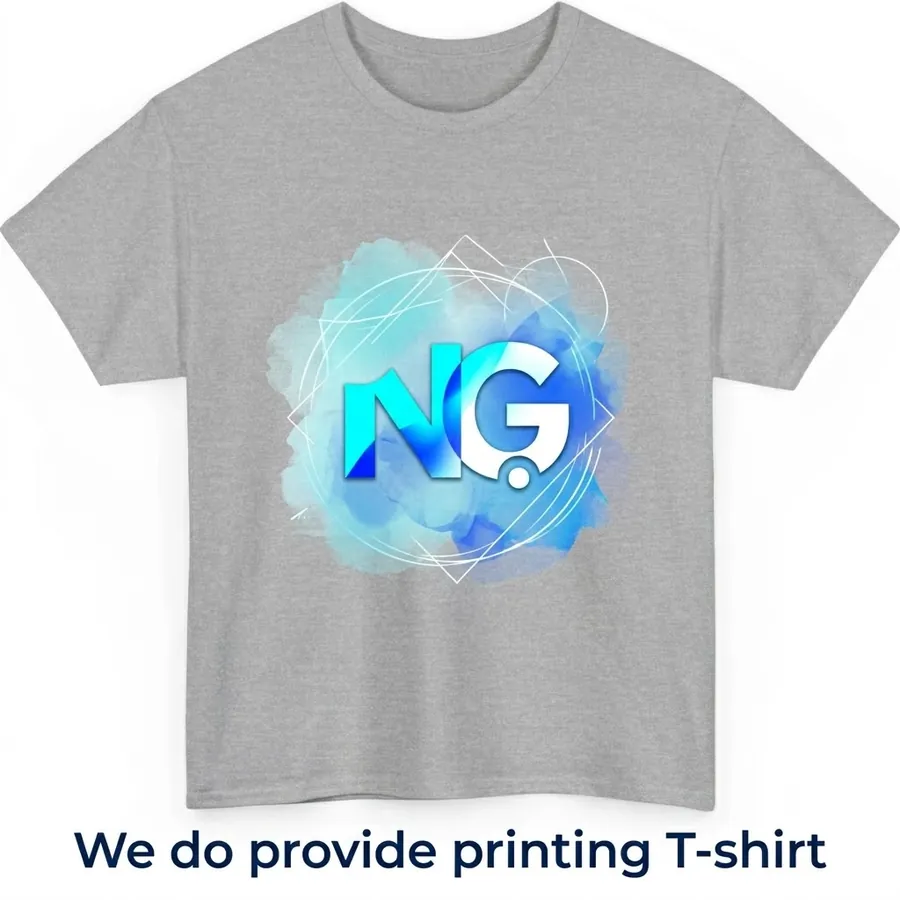
We print t-shirts for two very different jobs, and the brief gets confused more often than it should. A staff uniform needs to survive a hundred washes and still look presentable in month eight. An event tee or launch-day giveaway only needs to look good for one weekend and one set of photos. Custom t-shirt printing in Malaysia isn't one product — the method, the fabric and the order size all change depending on which job you're actually solving. Here's how we walk SME clients through it.
DTF, Screen Print or Heat Transfer: Which Method Fits
Screen printing still wins on cost per piece once you're past 50 pieces in one design and one or two ink colours — the setup (screens, film) is the expensive part, so it only pays off at volume. Below that, or if your design has gradients, photo elements or small text, direct-to-film (DTF) transfer makes more sense: no screen setup, full colour, and it prints fine on 10 pieces as comfortably as 200. Heat transfer vinyl is the right call for single-colour names or numbers added to an existing stock shirt — sports jerseys, staff first names — because it's fast and cheap per name, but it doesn't hold up as well on large chest or back prints after repeated washing. Most SME orders we run are a mix: DTF for the main logo, heat transfer vinyl for individual names.
Fabric and Weight for Malaysian Weather
Combed cotton at 160–180gsm is the default for office and retail uniforms — it holds print well, feels reasonable in air-conditioning, and is what most staff already expect a work shirt to feel like. For crews working outdoors — roadshow promoters, event ushers, construction or warehouse teams — a cotton-polyester blend or a dri-fit microfibre at 140–160gsm breathes better and dries faster between shifts, which matters more than the print looking crisp on day one. If you're outfitting a roadshow or booth crew, order the lighter fabric even if it costs slightly more per piece — a promoter sweating through a heavy cotton polo by 3pm reflects on the brand, not just the weather.
Sizing and Quantities: Getting the Order Right
The order mistake we see most often isn't the wrong fabric — it's guessing the size run. A few rules that hold up across most SME orders:
- Survey before you print — for staff uniforms, collect actual sizes rather than assuming a bell curve; F&B and retail teams skew differently across branches.
- Order a size buffer, not a headcount match — add 10% across the run for new hires and replacements, or you'll be back placing a small, expensive reorder within two months.
- M and L usually dominate — for event tees and giveaways where you can't survey attendees, weight the run toward M/L and keep XS and 3XL+ as the smallest quantities, not equal shares.
- One design, one print file — lock the artwork before the first shirt goes to press; changing logo placement mid-run means two look-and-feel versions in the same office.
Building the Full Uniform Kit
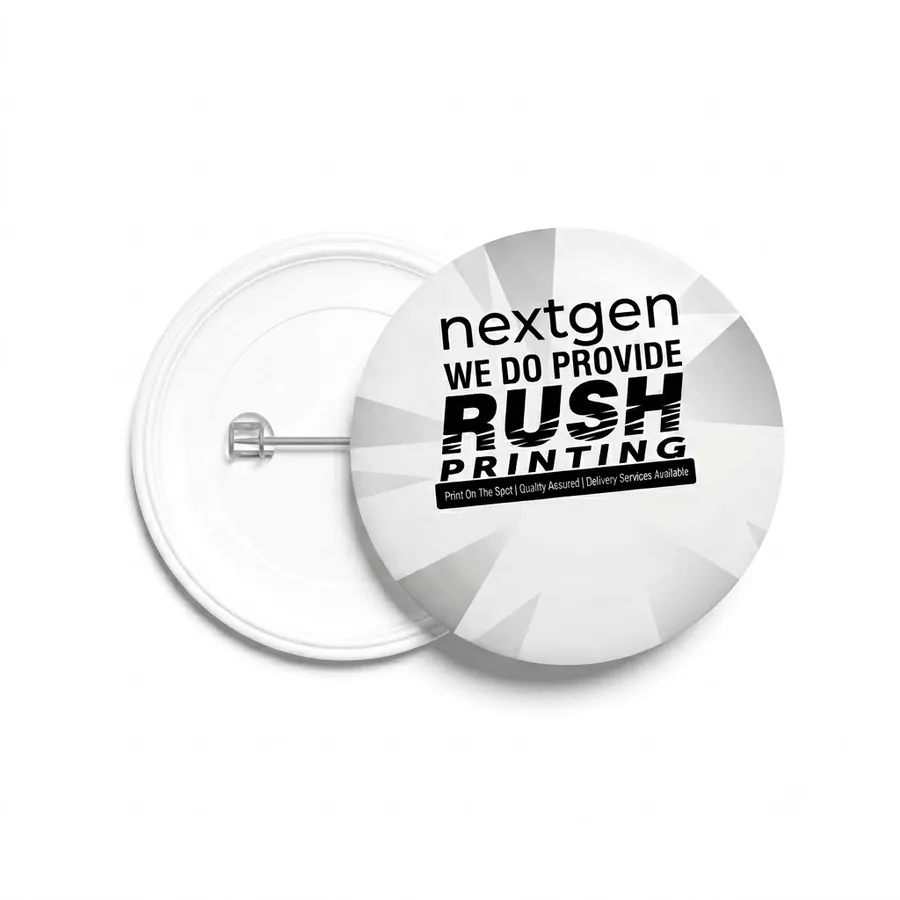
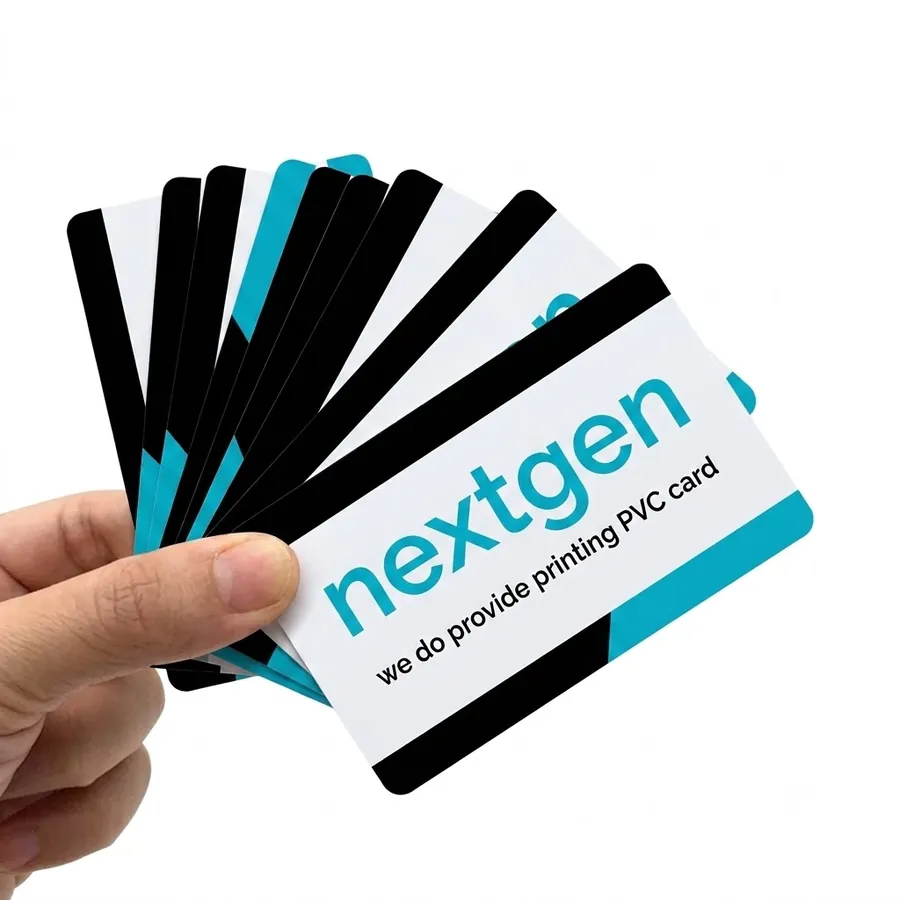
A t-shirt rarely travels alone. Front-line staff usually need a name badge or role indicator to go with it — a printed button badge is the cheapest way to add a name and role without committing to embroidery, and it's easy to reissue when someone's role changes. For roles that need building access, attendance tracking or a professional client-facing credential, a PVC staff ID card completes the kit at a cost that's easy to justify once you're already printing shirts and badges from the same brand file. Keep the colour system consistent across all three — shirt, badge and card — so a new hire looks fully onboarded from day one instead of half in uniform.
Turnaround and Cost Behavior
DTF and screen print runs typically take 5–7 working days once artwork is approved; heat transfer name customisation adds 1–2 days on top if it's a separate pass. Cost per piece drops meaningfully at three thresholds — around 50, 150 and 300 pieces — because that's where screen printing's setup cost gets spread thinner and bulk fabric pricing kicks in. If your artwork isn't print-ready yet, our guide on preparing print-ready artwork covers the resolution and colour mode issues that most often delay a shirt order at the file-check stage, before it even reaches the press.
Where to Start
Tell us the headcount, the use case — uniform, event or giveaway — and roughly when you need it, and we'll recommend the printing method and fabric before you commit to a quantity. Talk to us and we'll turn it into one quote covering the shirts, badges and ID cards together.
我们印T恤,其实是在做两件很不一样的活,但客户下单时经常把两者混为一谈。员工制服要扛得住上百次洗涤,穿到第八个月还得体面;活动服或开幕当天的赠品T恤,只需要在一个周末、一组照片里好看就够了。马来西亚的定制T恤印刷不是单一产品——印刷工艺、面料和订购数量,都取决于你实际要解决的是哪一个问题。以下是我们平常带客户理清楚的方式。
DTF、丝网印刷还是热转印:怎么选
如果同一款设计、一到两种油墨颜色、数量超过50件,丝网印刷在单件成本上依然最划算——因为贵的部分是制版(网版、菲林),量大才能摊薄。低于这个数量,或者设计里有渐变、图片元素或小字,DTF(数码直喷转印)更合适:不用制版、全彩呈现,印10件和印200件一样顺手。热转印贴膜适合在现成T恤上加单色姓名或号码——运动队服、员工名牌式印字——因为每加一个名字既快又便宜,但大面积的前胸或后背图案经过多次洗涤后耐久度不如前两者。我们接的中小企业订单大多是混合做法:主 logo 用 DTF,个人姓名用热转印贴膜。
面料与克重:适应马来西亚的气候
160–180gsm精梳棉是办公室和零售制服的默认选择——上色效果好,空调环境下穿着感受合理,也是员工对「工作服」的普遍期待。而户外工作的团队——路演推广员、活动引导员、工地或仓库人员——140–160gsm的棉聚混纺或速干微纤维透气更好、换班之间干得更快,这一点比印花在第一天多锋利更重要。如果你在为路演或展位团队置装,即使单件成本略高,也建议选轻薄面料——推广员下午三点被厚棉Polo衫捂出一身汗,反映的是品牌形象,不只是天气。
尺码与数量:把订单下对
我们见过最多的下单失误,不是面料选错,而是尺码配比靠猜。几条在多数中小企业订单上都成立的规则:
- 先做调查,再印刷——员工制服要收集实际尺码,不要假设一条常态分布曲线;餐饮和零售团队在不同分店的体型分布差异不小。
- 按缓冲量下单,不要只按人头——整批加订10%,用于新员工和替换需求,否则两个月内就得再补一批又小又贵的追加订单。
- M 和 L 通常占大头——活动服和赠品T恤无法逐一调查尺码时,把配比倾向 M/L,XS 和 3XL 以上作为最小份额,而不是平均分配。
- 一个设计,一份印刷文件——开印前先锁定稿件;中途更改 logo 位置,会让同一个办公室出现两个版本的「统一制服」。
搭建完整的制服套装
T恤很少单独出现。一线员工通常还需要一个姓名或职位标识来搭配——印刷徽章是加上姓名和职位最便宜的方式,不用做绣花,员工换岗时也方便重新制作。如果角色需要门禁权限、考勤记录,或是面对客户的专业身份证明,PVC 员工证卡能补齐这套装备——既然衣服和徽章都已经用同一套品牌文件印刷,多加一张证卡的成本很容易说得过去。把T恤、徽章、证卡三者的配色系统保持一致,新员工上岗第一天看起来就是「全套到位」,而不是「穿了一半的制服」。
交期与成本的真实表现
稿件确认后,DTF 与丝网印刷的订单一般需要5–7个工作天;如果姓名热转印是单独一道工序,会再加1–2天。单件成本在三个门槛上明显下降——大约50件、150件和300件——因为丝网印刷的制版成本在这些量级被摊得更薄,面料批量采购的价格也开始生效。如果你的稿件还没到印刷标准,我们关于准备可印刷稿件的指南,涵盖了最常在文件审核阶段拖慢T恤订单的分辨率与色彩模式问题,让稿件在送印前就先过关。
从哪里开始
告诉我们人数、用途——制服、活动还是赠品——以及大概的时间点,我们会先建议印刷工艺和面料,再帮你确定数量。联系我们,把T恤、徽章与证卡整合成一张报价单。