Packaging Sleeves, Hand Tags and the Unboxing Moment That Sells Again包装套、吊牌与开箱时刻:让顾客再买一次的细节
A parcel that arrives in a plain poly bag with a courier sticker slapped on it gets torn open and forgotten within seconds. A parcel wrapped in a printed packaging sleeve, sealed with a branded sticker and finished with a hand tag gets photographed, shared in a group chat, and — this is the part that actually pays for the print run — remembered the next time the customer needs to buy again. We handle packaging sleeve printing for e-commerce sellers and F&B brands across Malaysia and Singapore, and the pattern we see every week is the same: businesses spend heavily to win the sale, then hand the product over in packaging that says nothing about who sent it.
The unboxing moment is a marketing touchpoint, not an afterthought
Every parcel is a piece of media that reaches exactly one person, at exactly the moment they are most emotionally invested in your brand. That is a better ad slot than most of what you'd buy on Meta or TikTok, and it's one you already own. A printed sleeve costs a few sen to a few ringgit more than a blank one; a repeat customer is worth many times that. If your product is remotely photogenic, a consistent unboxing look also gives customers a reason to film it — we've seen small skincare and snack brands get more organic reach from a nicely wrapped parcel on TikTok than from a paid post, simply because reviewers had something worth filming.
Packaging sleeve or shrink wrap — what actually needs your brand on it
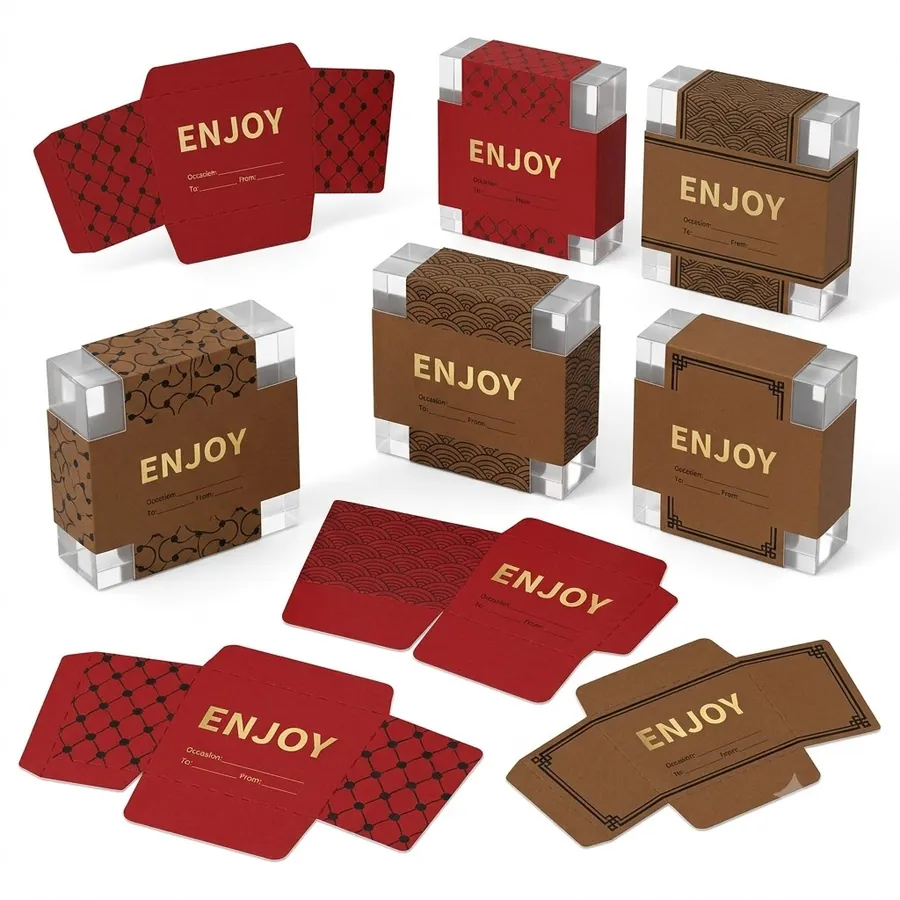
Most sellers already have a box, pouch or jar; the question is what wraps around it. A printed packaging sleeve is a strip of paper or film that bands around an existing box or container — cheaper than reprinting the whole box, and easy to swap when you run a seasonal design or a collaboration. Shrink film sleeves suit bottles and tubs that need a tamper seal as well as branding; paper band sleeves suit gift boxes, soap and stackable retail packs where a soft finish matters more than a hard seal. The rule we give clients: if you reorder the same box shape every time, print the sleeve separately from the box — you get a fresh look each campaign without touching the more expensive packaging underneath.
F&B packaging sleeves need to survive grease, condensation and inspection
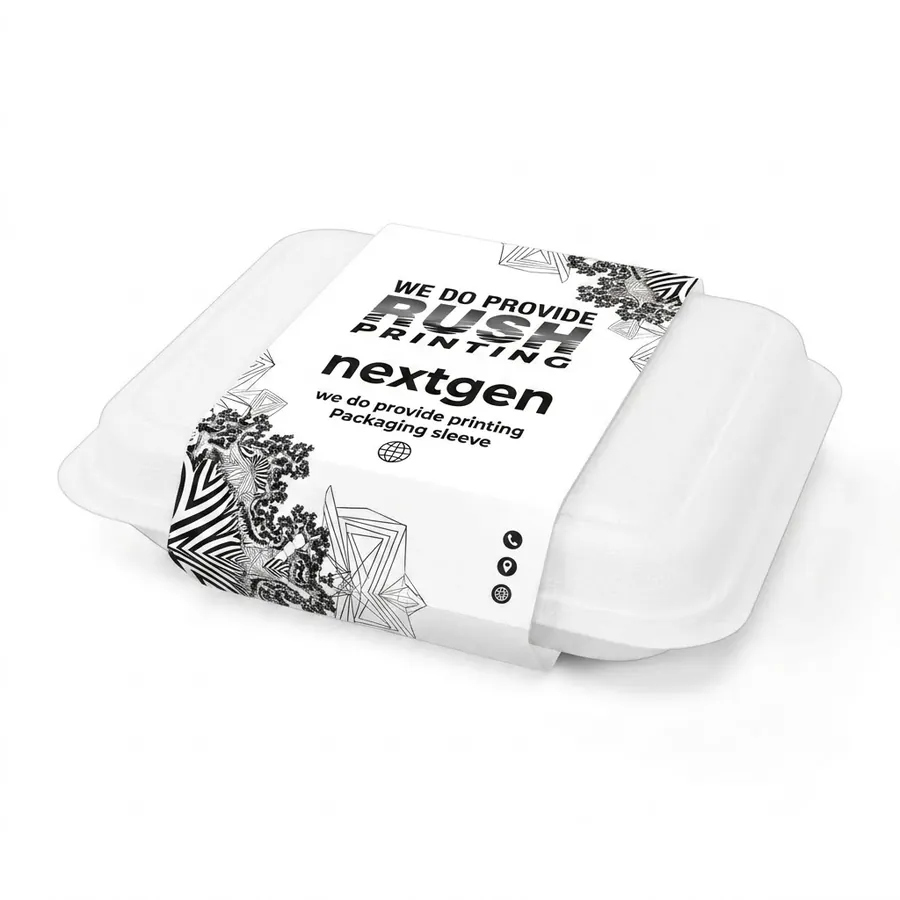
Food packaging has a second job besides branding: it has to survive the product. A cake box sleeve that smudges under condensation, or a burger wrap that goes translucent with oil within the hour, undoes the branding entirely. We print F&B sleeves on grease-resistant and food-contact-safe stock, sized for cake boxes, drink carriers and takeaway sets, and we leave room in the layout for the halal logo, ingredient list or expiry batch code your inspector will actually check. If you're rebuilding your F&B print collateral more broadly — menus, table talkers, receipts — our menu printing guide covers the rest of the counter.
Hand tags: the two-second trust signal
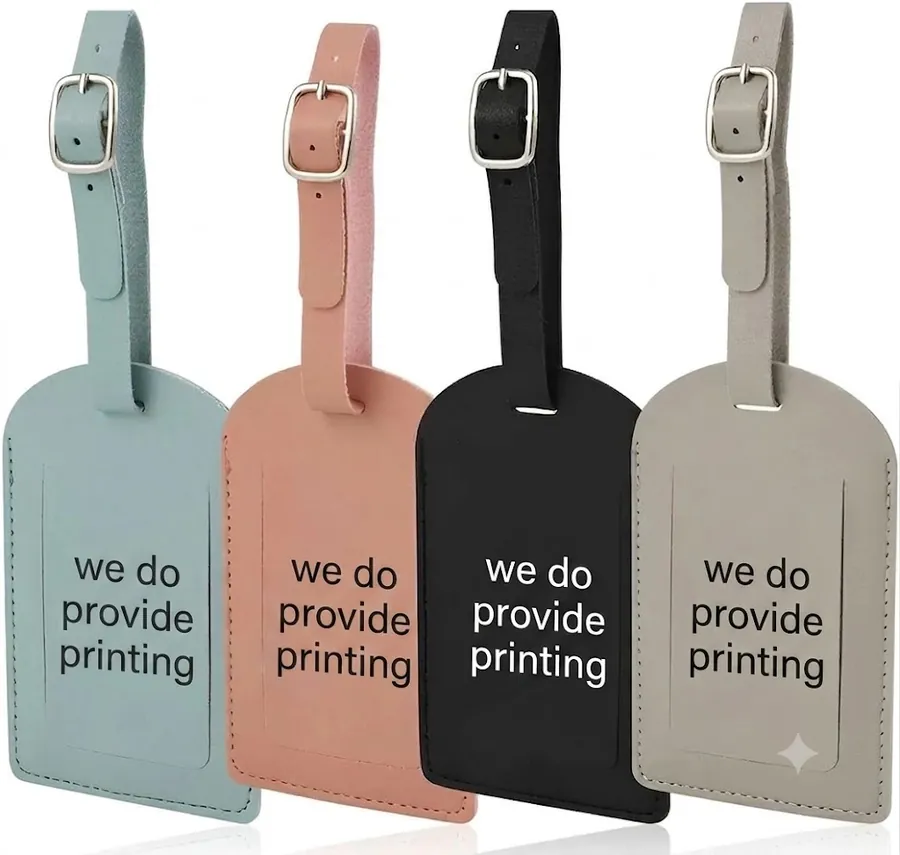
A hand tag — the small cardstock tag on a string or eyelet — does a disproportionate amount of work for its size. Fashion, accessories and soap brands use it to show size, material or scent in one glance; skincare and F&B gifting brands use it to print a QR code straight to a review page or WhatsApp catalogue, which converts better than any sticker because the customer is holding the product while they scan. Keep the copy to one clear line per tag — care instructions, batch number, or a short thank-you — and match the cardstock weight to the product: a heavier board (300gsm+) reads as premium on jewellery and gift sets, while a lighter tag suits everyday retail packs where cost per unit matters more.
Craft stickers as a seal, not decoration
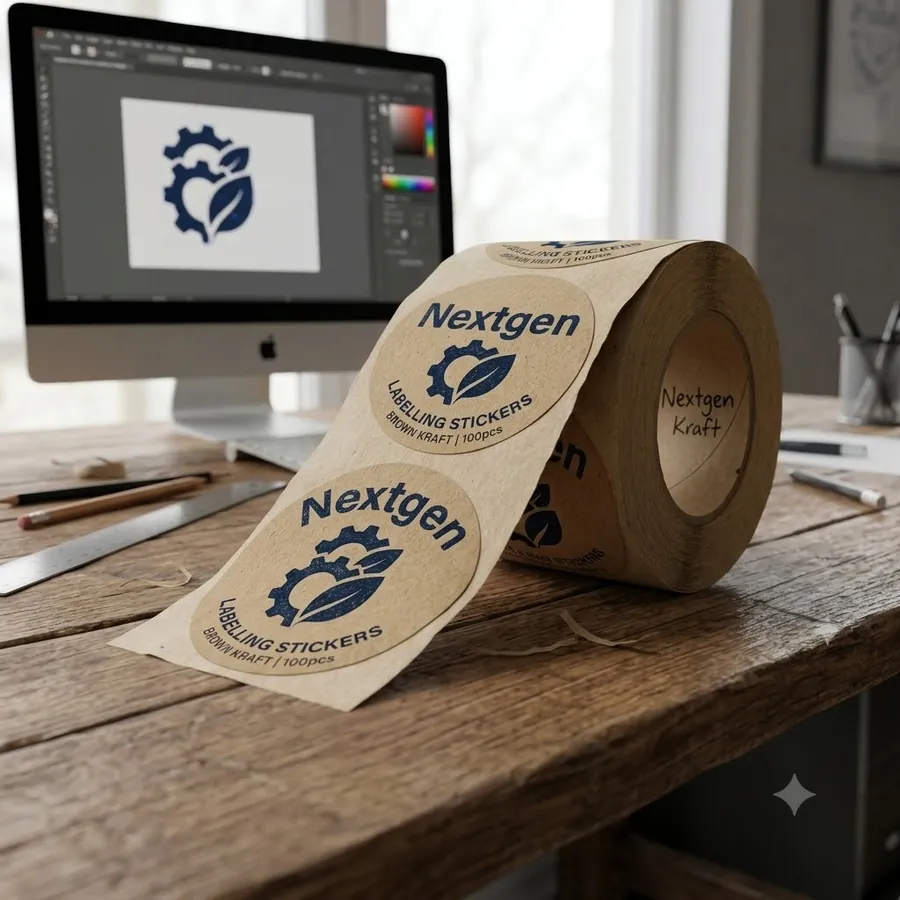
For sellers who can't justify a full sleeve, a kraft paper sticker placed over the box flap does most of the same job at a fraction of the cost. Placed correctly — half on the flap, half on the box body — it also reads as a tamper seal: the customer has to break it to open the box, which subconsciously signals "this hasn't been opened before you." Pair it with a length of twine or ribbon and you've built a premium unboxing moment for the price of a sticker roll. It's the cheapest upgrade on this list and usually the first one we recommend to new sellers testing whether branded packaging moves their repeat-purchase rate at all.
What to order for a packaging refresh
- The box or pouch — usually unchanged; this is what the sleeve wraps around.
- Sleeve or wrap — the main branding surface; swap per campaign without touching the box.
- Seal sticker — kraft or printed, placed over the opening as a tamper cue.
- Hand tag — one line of copy, sized to the product, ideally with a QR code.
- A thank-you insert — optional, but it's the cheapest line item that drives a repeat order or a review.
What this actually costs
Packaging sleeves and hand tags are digitally printed, so short runs are realistic — a few hundred pieces at a time rather than the thousands offset printing needs to make sense. Unit cost drops meaningfully once you're past 500–1,000 pieces, so it's worth sizing the order to roughly a quarter's stock rather than reprinting every month. If you also run marketing material or social content around your product launches, we can shoot the unboxing itself as content for TikTok or Meta while we're at it — the packaging and the marketing are the same job in our workflow, not two separate vendors to brief.
If you want a quick recommendation on which of these four pieces gives your product the most lift for the least spend, talk to us — tell us the product and current packaging, and we'll tell you honestly where to start.
用透明胶袋包着、外面随手贴一张快递单的包裹,顾客几秒内就会撕开丢在一边,很快就忘了是谁寄的。反过来,用印刷包装套包好、贴上品牌封口贴、再挂一张吊牌的包裹,会被拍照、发到群聊里分享——而这才是让这笔印刷费真正值回票价的部分:下次要买同类产品时,顾客会想起你。我们为马来西亚与新加坡的电商卖家和餐饮品牌做包装套印刷,每周看到的情况都一样:商家在获客上花了大钱,商品到手时的包装却什么都没说。
开箱那一刻,是一次营销触点,不是善后工作
每一个包裹都是只送达一个人的媒体,而且送达的时间点,恰好是顾客对你品牌情感投入最高的时候。这比你在 Meta 或 TikTok 上买的大多数广告位都珍贵,而且是你已经拥有、不用再花钱买的位置。一张印刷包装套比素面包装贵不了几分钱到几令吉,而一个回购客户的价值远超这个差价。如果你的产品本身有点上镜,统一的开箱视觉也会给顾客一个拍摄的理由——我们见过一些小型护肤品和零食品牌,包装拍得好看,靠自然流量在 TikTok 上获得的曝光比投放广告还多,原因很简单:拆开包裹这件事本身就值得拍。
包装套还是收缩膜——到底什么该印上品牌
多数卖家手上已经有盒子、袋子或罐子,问题在于外面裹什么。印刷包装套是一条围在现有盒子或容器外面的纸条或膜条——比重新印整个盒子便宜,换季节性设计或联名款时也容易替换。收缩膜包装套适合瓶装、罐装等需要防拆封效果的产品;纸质包装带更适合礼盒、香皂等对手感要求高于密封性的零售产品。我们给客户的原则是:如果每次都用同一款盒型,就把包装套和盒子分开印——每次活动都能换新造型,又不用动到成本更高的底层包装。
餐饮包装套要扛得住油渍、水汽和查核
食品包装除了要做品牌宣传,还有第二个任务:扛得住产品本身。蛋糕盒包装套遇到水汽就花掉,或者汉堡纸遇油一小时就透明发糊,品牌宣传的效果也就全没了。我们用防油、可接触食品的材质印制餐饮包装套,尺寸配合蛋糕盒、饮料手提袋与外带套餐,版面也预留位置放清真标志、成分表或到期批号——这些才是稽查员真正会看的内容。如果你打算把菜单、桌卡、收据等餐饮印刷物料一起翻新,可以参考我们的菜单印刷指南,把柜台其余的物料一并处理好。
吊牌:两秒钟就建立信任的小物件
吊牌——那张用线或扣环挂在产品上的小卡纸——个头虽小,发挥的作用却不小。服饰、配饰与香皂品牌用它一眼说明尺寸、材质或香型;护肤品与餐饮送礼品牌则用它印上二维码,直接导向评价页或 WhatsApp 目录——因为顾客扫码时手上正拿着产品,转化率往往比贴纸还高。每张吊牌的文案控制在一句话以内就好——保养说明、批次编号,或一句简短的感谢语——并根据产品挑选卡纸厚度:珠宝或礼盒适合用较厚的卡纸(300gsm 以上)显得高档,日常零售包装则用较薄的卡纸控制单件成本。
牛皮纸贴纸:一道封条,不只是装饰
如果预算还撑不起整套包装套,一张贴在盒盖上的牛皮纸贴纸就能达到差不多的效果,成本却低得多。贴的位置对了——一半贴在盒盖、一半贴在盒身——它还能当作防拆封条:顾客得先撕开贴纸才能打开盒子,这在潜意识里传达「这盒东西在到你手上之前没被打开过」。再配上一段麻绳或缎带,一卷贴纸的成本就能撑起一次高档的开箱体验。这是这份清单里最便宜的升级,也是我们最常建议新卖家先试的一步——用来验证品牌包装到底能不能拉动回购率。
一次包装翻新该下单什么
- 盒子或袋子本身——通常不变,是包装套要围住的主体。
- 包装套或包装带——主要的品牌展示面,可依活动更换,不用动盒子。
- 封口贴——牛皮纸或印刷贴纸,贴在开口处,兼具防拆封暗示。
- 吊牌——一句文案就够,尺寸配合产品,最好带二维码。
- 感谢卡——可选,但是最便宜、最能带动回购或换来一条评价的一项。
这笔费用实际是多少
包装套与吊牌都用数码印刷,短版量也划算——几百件就能起印,不需要像胶印那样凑到上千件才合算。数量过了 500 到 1,000 件之后,单价会明显下降,所以比起每个月都补印,一次备好一个季度的量会更划算。如果你的产品上市同时也要做营销物料或社媒内容,我们可以一并把开箱过程拍成 TikTok 或 Meta 的素材——在我们的工作流程里,包装和营销本来就是同一件事,不需要分成两个供应商去对接。
如果想知道这四样东西里,哪一样能用最少的花费给你的产品带来最大的提升,联系我们——告诉我们你的产品和现有包装,我们会如实告诉你该从哪里开始。