Google Business Profile for Malaysian SMEs: The Free Listing That Outranks Your Website马来西亚中小企业的 Google 商家档案:比官网排名还高的免费列表
Most Malaysian SMEs still think their website is the thing that gets them found on Google. For local searches — "sticker printing near me", "cafe Bandar Puncak Alam", "signage supplier Klang" — the result that actually gets clicked is rarely the website. It's the map pack: three business cards with a star rating, an address and a "Get directions" button, pulled from Google Business Profile. We build these for print and F&B clients every month, and the pattern is consistent: a business with a thin website but a well-run profile beats a competitor with a beautiful website and no profile, every time someone searches on a phone standing outside your shop or three streets away.
Why the map pack beats your homepage
"Near me" and category searches ("printing shop", "kedai kek", "signage") are location-first — Google already knows roughly where the searcher is, so it shows the map pack before any organic result, website or not. A Google Business Profile listing loads instantly, shows your rating, distance and open/closed status without a click, and has a call button built in. Your website has to win a click, load fast, and still convince someone; your profile just has to exist, be accurate, and have decent reviews. That's a much lower bar, which is exactly why it's worth doing properly before anything else in your local marketing.
Claiming and verifying the listing correctly
Search your business name on Google Maps first — a listing may already exist, created automatically from a directory or an old address. Claim it (don't create a duplicate; duplicates split your reviews and confuse Google on which one to rank). Verification is usually by postcard to your business address, sometimes by phone or video call for certain categories. Use your exact legal or trading name — stuffing keywords into the name field ("ABC Printing – Cheap Stickers Selangor") breaches Google's guidelines and can get a listing suspended, which costs far more ranking than it gains.
The fields that actually move your ranking
Once verified, most of the profile is one-time setup, but each field carries real ranking weight:
- Primary category — the single most important field. "Sticker printing" ranks you for sticker searches better than the generic "Printing shop". Pick the narrowest category that's still true, then add secondary categories for everything else you do.
- NAP consistency — your name, address and phone number should read identically across your profile, website footer, Facebook page and any directory listing. Mismatches (a slightly different unit number, an old phone line) quietly erode local ranking trust.
- Photos — profiles with real photos of the shopfront, counter and work get far more clicks-to-call than ones using a stock logo. Upload from a phone, not a designer's render — Google and customers can both tell.
- Products/services tab — list your actual offerings (business cards, banners, TikTok Shop setup, whatever applies) with a photo and short description each; this content gets indexed and can surface directly in search.
- Opening hours, including public holidays — F&B and retail listings that go stale over Raya or CNY get penalised by "closed" signals right when search volume peaks.
Reviews are the biggest lever you actually control
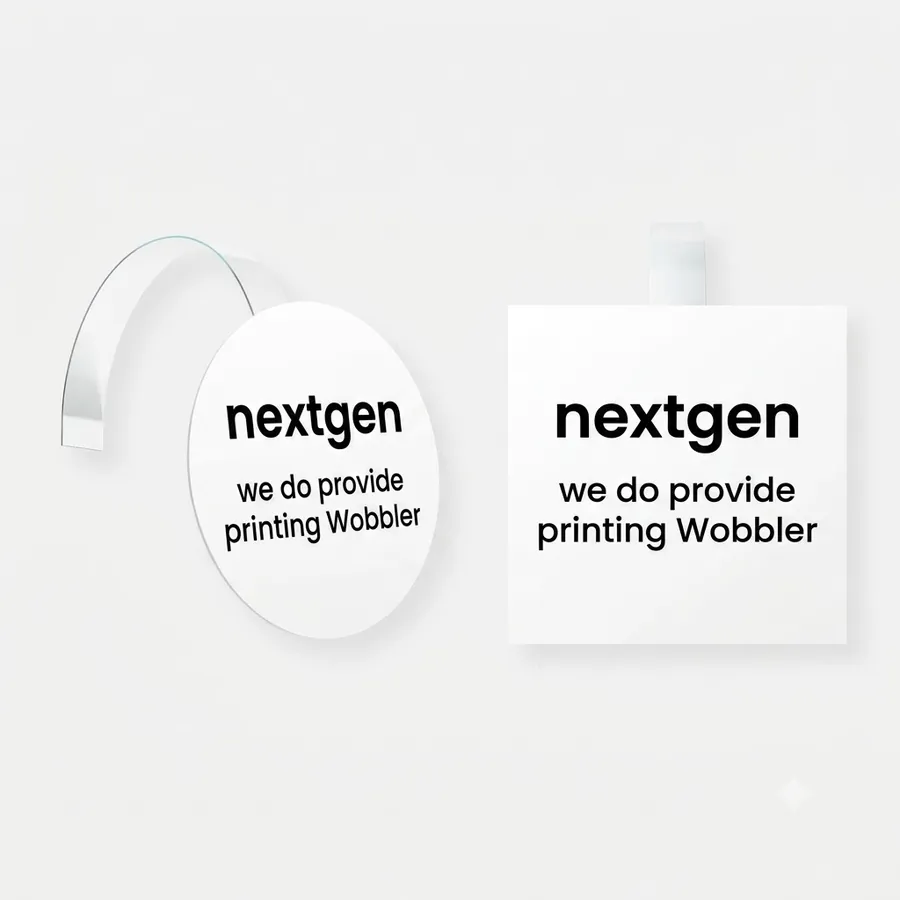
Review count, average rating, recency and your reply rate all feed the ranking algorithm — not just the star number customers see. A profile with 40 reviews from the last six months will usually outrank one with 200 reviews that stopped coming in two years ago. The most reliable way to get a steady trickle isn't a one-off campaign — it's a physical prompt at the point of sale. A counter card or a printed wobbler with a QR code and a one-line ask ("Enjoyed your order? Leave us a Google review") outperforms a WhatsApp message sent days later, because you're asking while the good experience is still fresh. Reply to every review, good or bad — a calm, specific reply to a bad review often does more for trust than the five-star ones.
Posts and Q&A keep the profile "alive"
Google Posts — the update feed under your listing — is under-used by most SMEs and rewards the ones who bother. A weekly post about a promotion, new stock or an event gives Google a freshness signal and gives searchers a reason to tap through instead of scrolling to a competitor. The Q&A section is public and editable by anyone, so pre-answer the questions you get every day (minimum order quantity, delivery areas, whether you do same-day) yourself — otherwise a stranger's guess sits there as the top answer.
Let your storefront say the same thing as your profile
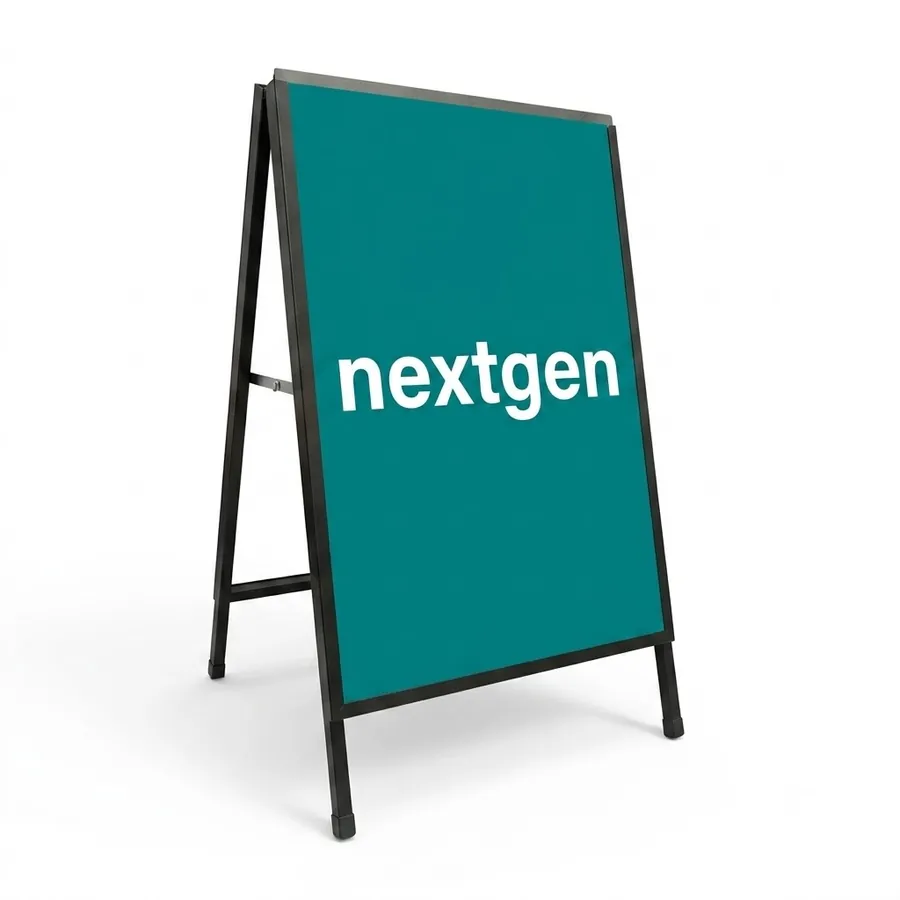
Local ranking also reads real-world consistency signals — and the easiest one to control is what's printed outside your shop. An A-stand at the entrance with your exact business name, hours and a directions-friendly landmark reinforces the same NAP details Google is already checking, and converts the foot traffic your profile sends you into someone who actually walks in rather than turning back at an unmarked shoplot. For everything else that affects how your own website performs alongside your profile — page titles, load speed, on-page content — see our guide to SEO basics for Malaysian SME websites; the two work together, not instead of each other.
Where to start
If your profile is unclaimed, half-filled, or hasn't had a review in months, that's the fastest local marketing fix available to you this week — it costs nothing but an hour of setup. If you'd rather we set it up and keep it fed with posts and review prompts alongside your printed materials, talk to us — the first consultation is free.
大多数马来西亚中小企业仍然以为,官网才是让客户在 Google 上找到自己的关键。但对于本地搜索——「贴纸印刷 附近」「Bandar Puncak Alam 咖啡馆」「巴生招牌供应商」——真正被点击的结果很少是官网,而是地图列表:三张带星级评分、地址与「获取路线」按钮的商家卡片,全部来自Google 商家档案。我们每个月都在为印刷与餐饮客户做这件事,规律很一致:一家官网简陋但商家档案经营得当的店,会打败官网精美却没有商家档案的竞争对手——只要客户是站在你店门口或三条街外用手机搜索。
为什么地图列表比官网首页更抢眼
「附近」与品类搜索(「印刷店」「蛋糕店」「招牌」)本质上是位置优先——Google 大致知道搜索者在哪里,所以不管有没有官网,地图列表都会排在自然结果之前显示。Google 商家档案加载即时,不用点击就能看到评分、距离与营业状态,还内建拨号按钮。官网需要先赢得一次点击、加载够快、再说服对方;商家档案只需要存在、信息准确、评价过得去。门槛低得多,这正是为什么它该是你本地营销里最先做好的一件事。
正确认领与验证列表
先在 Google 地图搜索你的商家名称——很可能已经有一个列表,是从某个目录或旧地址自动生成的。认领它,不要另建新列表(重复列表会把评价拆散,也会让 Google 不确定该排哪一个)。验证方式通常是寄明信片到店铺地址,部分类别也可能用电话或视频验证。名称栏请用你真实的公司名或商用名——在名称里塞关键词(例如「ABC 印刷 – 便宜贴纸 雪兰莪」)违反 Google 规范,严重时列表会被停用,得不偿失。
真正影响排名的字段
验证通过后,档案大部分内容只需设置一次,但每个字段都带有实际的排名权重:
- 主要类别——最关键的单一字段。「贴纸印刷」在贴纸相关搜索里的排名会比笼统的「印刷店」好得多。选一个仍然准确、但范围最窄的主类别,再用次要类别补充其他业务。
- NAP 一致性——你的名称、地址与电话,在商家档案、官网页脚、Facebook 主页与各类目录列表上都要完全一致。哪怕只是单位号码略有出入,或电话是旧号码,都会悄悄削弱本地排名的信任度。
- 照片——放真实门面、柜台与作品照片的档案,点击拨号率远高于只用标志图的档案。用手机拍,不要用设计师的效果图——Google 和顾客都看得出来。
- 产品/服务标签页——把实际提供的项目(名片、横幅、TikTok Shop 代运营等)一一列出,配图与简短说明;这些内容会被收录,有机会直接出现在搜索结果里。
- 营业时间,含公共假期——餐饮与零售列表若在开斋节或农历新年没更新,恰好会在搜索量最高时被「已打烊」信号拖累排名。
评价是你唯一能真正掌控的最大杠杆
评价数量、平均分、更新的新鲜度以及你的回复率,都会影响排名算法——不只是顾客看到的星级数字。一个近六个月有 40 条新评价的档案,通常会排在一个两年前就停更、却有 200 条旧评价的档案之前。要稳定获得评价,最可靠的办法不是搞一次性活动,而是在结账那一刻做出提示。柜台卡或印有二维码的摇摇卡,配一句话(「满意这次的订单吗?给我们留个 Google 评价吧」),效果会比事后再发 WhatsApp 好得多,因为你是在体验还新鲜的时候提出请求。不论好评差评都要回复——一条冷静、具体的差评回复,往往比五星好评更能建立信任。
发文与问答,让档案「活着」
Google Posts(列表下方的更新动态)大多数中小企业都懒得用,但用心经营的人会得到回报。每周一条促销、新品或活动更新,能给 Google 一个「保持更新」的信号,也给搜索者一个点进来而不是滑向竞争对手的理由。问答区任何人都能编辑,所以把每天都会被问到的问题(最低起订量、配送范围、是否可当天取件)自己先答好——不然某个陌生人的猜测就会挂在最上面。
让店面招牌和商家档案说同一句话
本地排名也会读取现实世界的一致性信号——而最容易掌控的一个,就是店门口印着什么。门口放一个A字牌,写上和档案完全一致的商家名称、营业时间与方便辨认的地标,能强化 Google 正在核对的同一组 NAP 信息,也能把档案带来的客流真正变成走进店里的人,而不是在没有招牌的店面前掉头离开。至于官网本身如何配合商家档案一起发力——页面标题、加载速度、页面内容——可参考我们的《马来西亚中小企业网站 SEO 入门》,两者是互补,不是二选一。
从哪里开始
如果你的商家档案还没认领、资料填得不齐,或是好几个月没有新评价,这是你这周就能做、成本只有一小时时间的最快本地营销修补。如果你想让我们帮你设置好档案,并配合印刷物料持续发文、催评,联系我们——首次咨询免费。