Shopee, Lazada or TikTok Shop? Where a New Seller Should StartShopee、Lazada 还是 TikTok Shop?新卖家该从哪里开始
Almost every new seller we meet asks the same question in the first five minutes: "should I list on Shopee, Lazada and TikTok Shop all at once?" The honest answer is no — not at the start. Each platform finds buyers a different way, and running all three properly from day one spreads a new seller too thin to do any of them well. Here's how to pick the one that fits, and what to add once it's working.
How each platform actually finds you buyers
Shopee and Lazada are search-and-browse marketplaces. A buyer already knows roughly what they want — "stainless steel tumbler", "baby bib set" — and types it in, or scrolls a category page comparing listings on price, reviews and photos. Your product has to win the search result and the photo grid before it wins the sale. Voucher wars, flash sales and the platform's own campaign calendar (9.9, 11.11, 12.12) drive a huge share of volume, so a lot of your early effort goes into joining the right campaigns and keeping your listings competitive during them.
TikTok Shop works the opposite way. Nobody searches for your tumbler on TikTok — they're scrolling for entertainment and get shown it mid-video or mid-live, discover it, and buy on impulse before they've finished watching. The sale happens inside the content, not after a search. That makes TikTok Shop a content business first and a shop second: no videos or lives, no sales, regardless of how good the product is.
Which product types fit which platform
Commodity and repeat-purchase goods — household items, basic apparel, phone accessories, anything a buyer already knows they want and just compares on price — do well on Shopee and Lazada because that's exactly the shopping behaviour those apps are built for. Products that need to be seen in use to be understood — a gadget, a beauty tool, a food product with a strong taste story, anything with a "wow" unboxing moment — do better on TikTok Shop, because a 20-second video can sell what a product listing's bullet points can't.
If you're not sure which bucket your product falls into, look at how you'd explain it to a friend. If you'd say "it's the same as what you already buy, just better/cheaper", that's a search-platform product. If you'd say "you have to see this", that's a TikTok Shop product.
Why one platform beats three, at the start
Each platform has its own seller centre, its own ad system, its own campaign calendar, its own returns process and its own algorithm to learn. A new seller juggling all three usually ends up with mediocre photos, half-answered chats and no ad budget deep enough to actually learn on any single platform — the worst version of all three rather than a good version of one. We see this constantly with clients who come to us after months of flat sales: the fix is almost never "add a fourth channel", it's "stop splitting attention and fix the one channel properly first" — better product photography, a cleaner store page, a response-time habit, and a small, consistent ad or campaign budget. Get one platform profitable, then expand with the playbook you already proved works, rather than guessing on three at once.
The campaign and voucher rhythm
Whichever platform you start on, build around its calendar instead of fighting it:
- Shopee / Lazada — plan stock and ad spend around the mega campaign days (9.9, 10.10, 11.11, 12.12) and your own store vouchers; most of a category's monthly GMV concentrates into these windows.
- TikTok Shop — plan around a content and live schedule, not a calendar date; consistency (several videos a week, regular live slots) matters more than any single campaign day.
- Either platform — a small always-on voucher or free-shipping threshold keeps your listing competitive between campaigns, when most buyers are actually browsing.
Parcel presentation still sells the next order
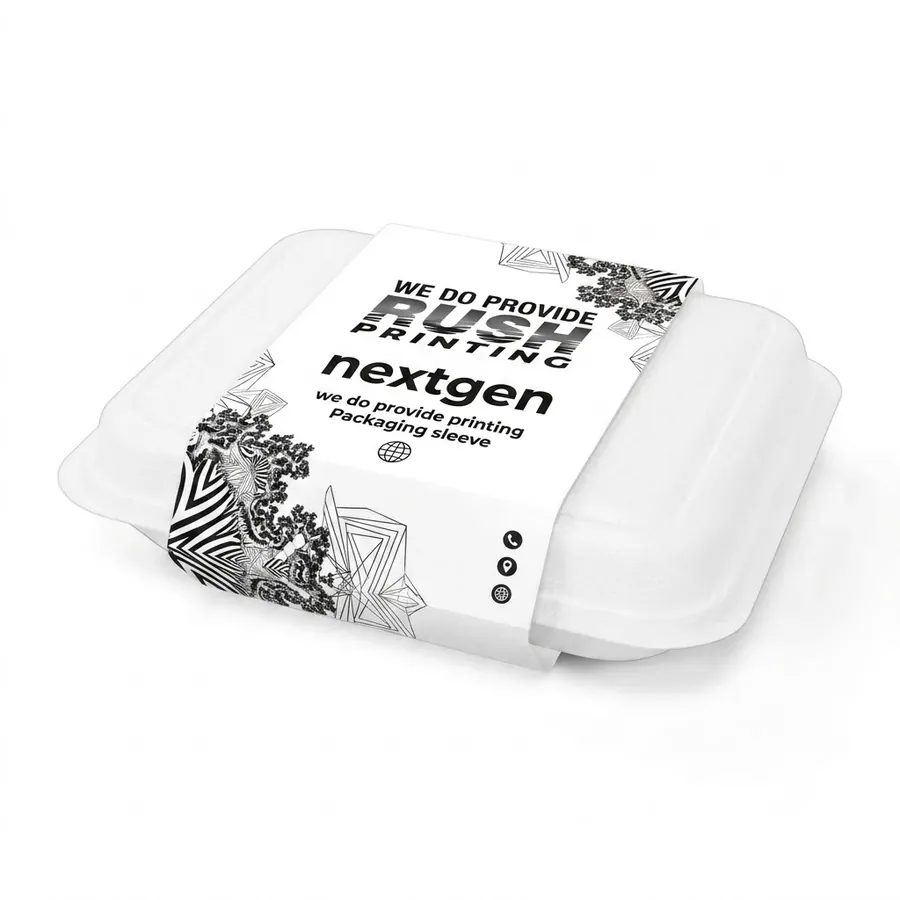
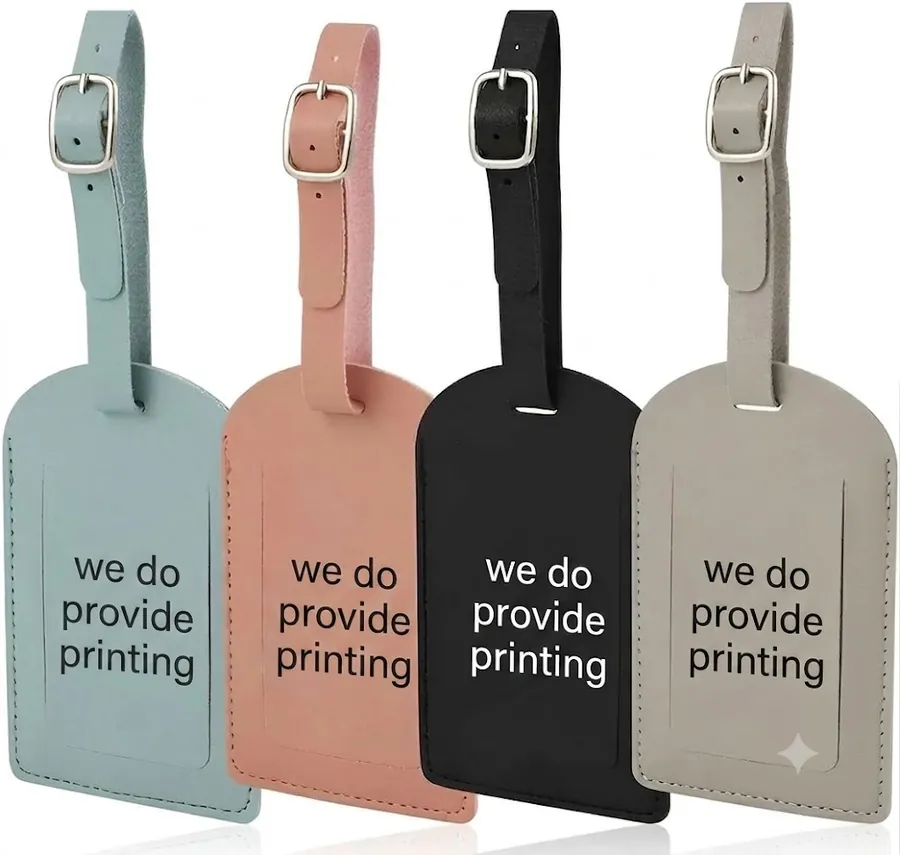
Whichever platform you choose, the unboxing is part of the product. A plain poly bag reads as "anyone could have sent this"; a branded packaging sleeve, a hand tag with care instructions, or a small thank-you card asking for a review costs a few sen per parcel and measurably lifts repeat orders and review rates — it's one of the cheapest retention levers a new seller has, and it works identically on Shopee, Lazada or TikTok Shop.
Labels, barcodes and basic compliance
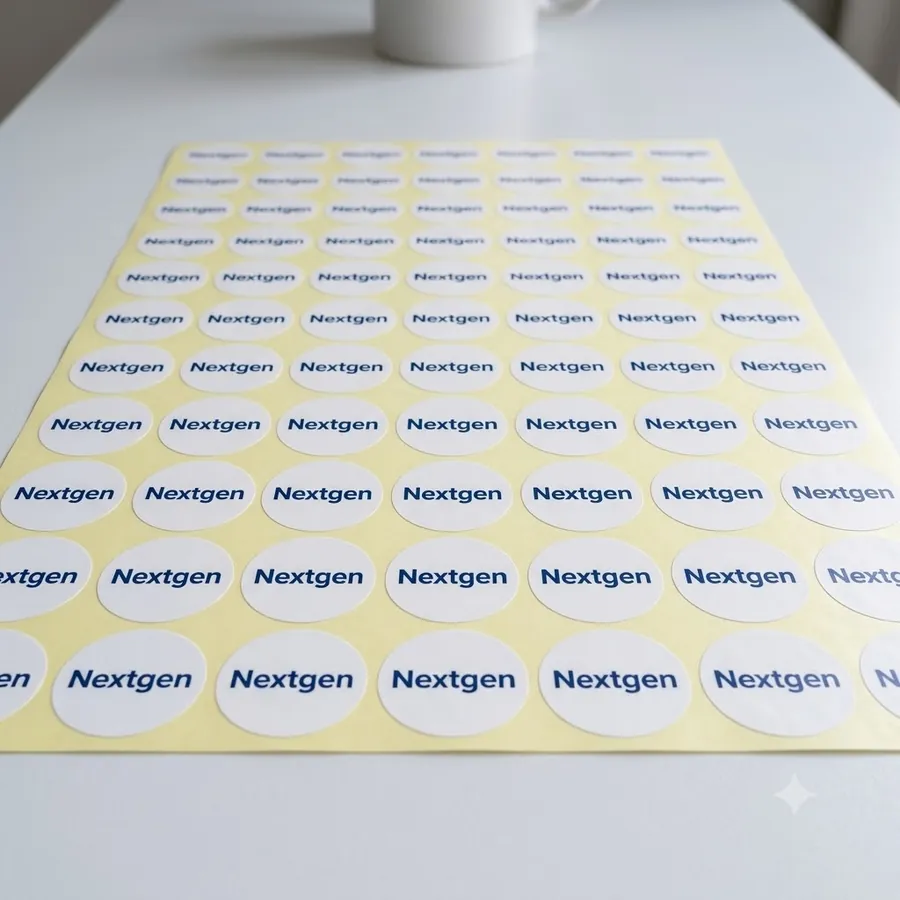
Don't skip the boring part. Every marketplace parcel still needs a readable shipping label, and most F&B or cosmetic listings need an ingredient or usage sticker that matches what's declared on the listing page — platforms do spot-check this, and a mismatch between listing claims and physical packaging is one of the faster ways to get a listing suspended. A white PP sticker printed with your batch number, ingredients or care instructions is inexpensive and keeps you compliant without redesigning your packaging every time a detail changes.
When to add your own website
A marketplace store is rented land — the platform sets the commission, the algorithm and the rules, and can change any of them. Once a product is proven and selling consistently, we usually recommend a simple website alongside the marketplace stores: it's where you keep full margin on repeat customers, collect their contact details directly, and aren't competing against ten other sellers of the same item on the same page. The marketplace stays useful for discovery; the website becomes where your best customers return to.
A simple way to decide
New seller, product buyers already search for → start on Shopee or Lazada, pick whichever has stronger category presence for you, and win there before adding the other. New seller, product that needs to be seen to sell → start on TikTok Shop and commit to a content schedule before judging results. Either way: one platform done properly for 2–3 months beats three platforms done half-heartedly from day one. If livestreaming is part of your plan, our TikTok Shop setup guide covers the account and shop side in more depth. Fee percentages, commission tiers and voucher mechanics change often on all three platforms, so always confirm current rates in your own seller centre before pricing a product — we won't quote numbers here that could be outdated by the time you read this.
几乎每个刚入行的卖家,前五分钟都会问同一个问题:「我要不要同时上架 Shopee、Lazada 和 TikTok Shop?」老实说,刚起步时不建议这么做。三个平台找买家的方式完全不同,一开始就想三个都做好,反而会把精力摊得太薄,哪个都做不精。以下教你怎么挑适合自己的平台,等做出成绩后再怎么加。
每个平台实际是怎么帮你找到买家的
Shopee 和 Lazada 是搜索与浏览型的电商平台。买家心里大致已经知道要买什么——「不锈钢保温杯」、「婴儿口水巾套装」——然后搜索,或在分类页里滑动,用价格、评价和图片来比较。你的产品必须先在搜索结果和图片墙里赢过别人,才有机会成交。平台的促销日历(9.9、11.11、12.12)和满减券战争往往占了大部分销量,所以前期的大量精力要花在报对活动档期,并在活动期间保持价格竞争力上。
TikTok Shop 的逻辑正好相反。没有人会在 TikTok 上搜索你的保温杯——他们是刷着娱乐内容时,被短视频或直播种草,还没看完就已经下单了。成交发生在内容里面,而不是搜索之后。这意味着 TikTok Shop 本质上先是内容生意,其次才是商店生意:没有视频或直播,产品再好也卖不动。
哪种产品适合哪个平台
日用品和重复购买型商品——家居用品、基础款服饰、手机配件,任何买家本来就知道要买、只是在比价的东西——在 Shopee 和 Lazada 上表现好,因为这正是这两个 App 的购物场景。需要「眼见为实」才能理解的产品——数码小物、美容仪器、有独特口味故事的食品,或有「哇」一声开箱感的东西——在 TikTok Shop 上表现更好,因为一段 20 秒的短视频能讲清楚产品listing的文字描述讲不清的东西。
如果不确定自己的产品属于哪一类,想想你会怎么跟朋友介绍它。如果你会说「跟你平时买的一样,只是更好/更便宜」,那是适合搜索型平台的产品。如果你会说「你一定要看看这个」,那是适合 TikTok Shop 的产品。
为什么一开始专注一个平台比同时做三个更好
每个平台都有自己的卖家中心、广告系统、促销日历、退货流程,以及需要花时间学习的算法。新卖家同时兼顾三个平台,往往最后变成产品图片平庸、聊天回复不及时、广告预算也不够深,没有一个平台能真正学出结果——三个都做得平庸,而不是一个做得出色。我们经常遇到这样的客户:销量平平好几个月才找上我们,解决方法几乎从来不是「再加一个渠道」,而是「先停止分散精力,把一个渠道做好」——更好的产品摄影、更干净的店铺页面、稳定的回复时效,以及小而持续的广告或促销预算。先让一个平台盈利,再用已经验证过的打法去扩张,而不是同时在三个平台上赌。
促销与优惠券的节奏
无论先从哪个平台开始,都要顺着它的节奏走,而不是硬碰硬:
- Shopee / Lazada——围绕大型促销日(9.9、10.10、11.11、12.12)和自己的店铺优惠券安排库存与广告预算;一个类目大部分的月度成交额都集中在这些档期。
- TikTok Shop——围绕内容与直播排期安排,而不是某个日历日期;稳定更新(每周数支视频、固定直播时段)比任何单一促销日都重要。
- 两个平台都适用——一个小额长期有效的优惠券或免运门槛,能在促销期之外保持你的listing有竞争力,而大部分买家其实是在平时浏览的。
包裹的呈现方式会影响下一笔订单
不管选哪个平台,开箱体验本身就是产品的一部分。一个素面胶袋让人觉得「谁都能这样发货」;而一个品牌包装套袖、一张印有使用说明的吊牌,或一张请求评价的小卡片,每件包裹只多花几分钱,却能实实在在提升回购率与好评率——这是新卖家最便宜的留存手段之一,而且在 Shopee、Lazada 还是 TikTok Shop 上都一样有效。
标签、条码与基本合规
别忽略这些看似不起眼的细节。任何平台的包裹都需要一张清晰可读的快递标签,大部分食品饮料或美妆类listing还需要一张成分或使用说明贴纸,且内容必须与listing页面上的声明一致——平台确实会抽查这一点,listing声明与实际包装不符,是listing被下架最快的原因之一。一张印有批号、成分或使用说明的白色PP贴纸价格不高,配方、批次或声明有变动时也能随时更新,不用重新设计整套包装。
什么时候该加一个自己的网站
电商平台店铺就像租来的地——佣金、算法和规则都由平台说了算,随时可能改变。一旦产品验证成功、销量稳定,我们通常建议在电商平台之外,再加一个简单的官网:在这里,回购客户的全部利润都归你,你能直接收集他们的联系方式,也不用在同一个页面上跟十个卖同款产品的卖家拼价格。电商平台继续负责曝光与发现,官网则成为你最忠实客户回头的地方。
一个简单的判断方法
新卖家,产品是买家本来就会搜索的 → 先上 Shopee 或 Lazada,选你在该类目更有优势的一个,先在那里做出成绩再加另一个。新卖家,产品需要「眼见为实」才能卖出去 → 先做 TikTok Shop,并先承诺一个内容排期,再评估效果。无论哪种:专注一个平台做足 2–3 个月,胜过三个平台都半心半意地做。如果直播带货也在你的计划里,可以参考我们的TikTok Shop 开店指南,里面有更深入的账号与店铺设置内容。三个平台的费率、佣金等级与优惠券机制都常常调整,开价前请务必在自己的卖家中心确认最新费率——这里就不列可能已经过时的数字了。